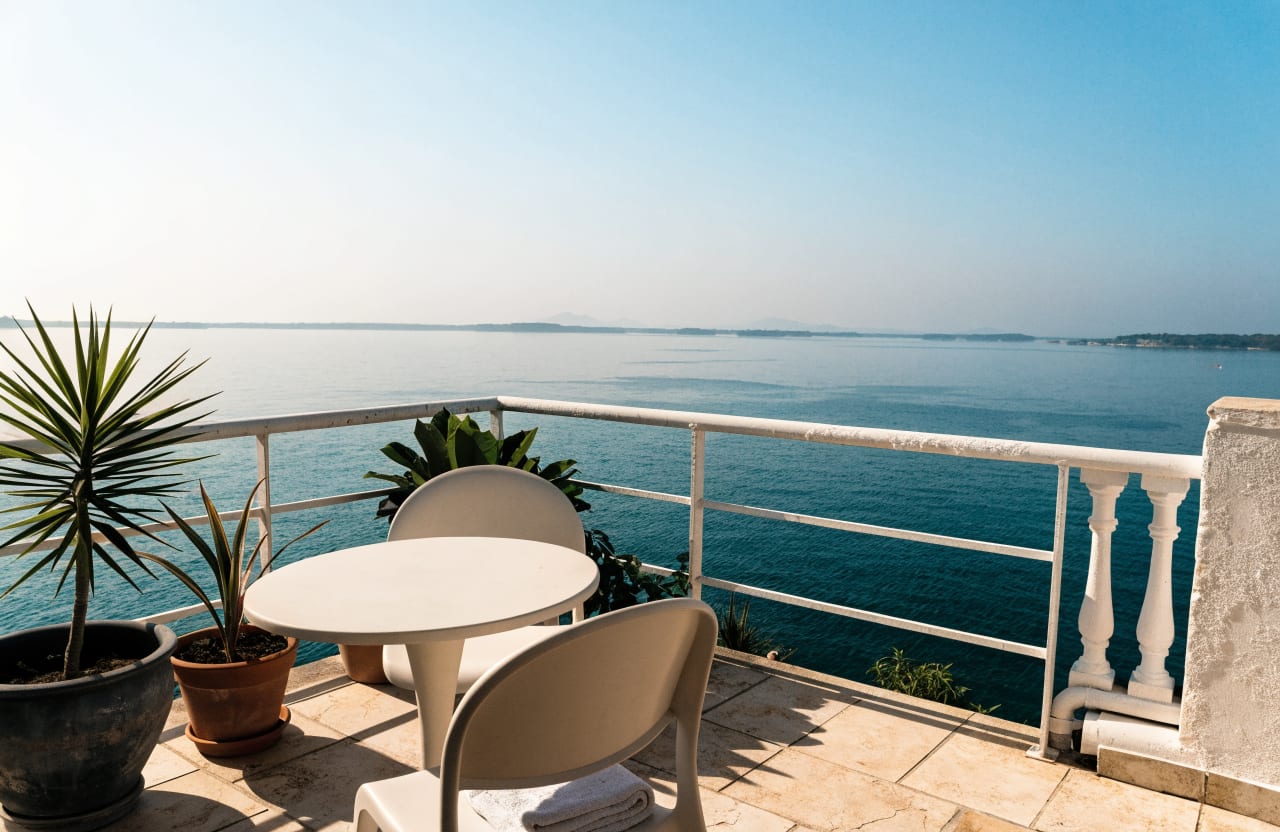
After handover the defects are your concern and your money. What to bring, what must be checked — water, electricity, air-conditioning, windows, terrace, area, common areas — how to record defects, what to do afterwards and how to accept remotely.
Square metres are not the main multiplier. Water and view, area and buyer, the building and its management, the service charge as price over time, readiness, floor and documents: the mechanics of price without figures, and how to read the real premium in the catalogue.
'Furnished' in Sharm means anything from a full kit to three pieces and the curtains. What usually stays, when furniture is a plus and when an overpayment, how to value it when negotiating and how to draw up the inventory so there is no dispute at handover.
The same flat is honestly both a hundred metres from the sea and five hundred, depending on how you measure. Three numbers under one figure, why height and the way down matter more in Sharm, how the catalogue field works and how to check it in ten minutes at a viewing.
A mortgage is effectively unavailable to a foreign buyer in Sharm — the developer's payment schedule takes its place. What a plan is made of, how to read '10 % and seven years', what 'interest-free' means, eight questions before the first payment, red flags and how to total the real cost.
In Sharm a penthouse can be a flat with its own roof terrace, a top floor with a balcony, or a unit with a shared roof. How they differ, what a penthouse gives and costs, where to look and what to check at a viewing.
The school decides the area, the courtyard decides the compound. Which areas of Sharm suit which age, what matters for children in a compound according to the directory, what to look at in a family flat and how to check the town in one day before the viewings.
A low price in Sharm always has a reason: size, line, age or risk. Which compromises are honest, where to look for inexpensive homes, which traps turn a saving into a loss, and how to count a small budget in full.
'Sea view' is the most expensive and most elastic phrase in Sharm listings. How the view differs from 'first line', which areas have a real one, how it can disappear and what to do at a viewing so you do not overpay for a strip between the blocks.
Three different products are sold as a 'villa' in Sharm. How a house on its plot, a townhouse and a resort villa differ, where they stand, what a year of ownership costs and what to check at a viewing.
'First line' is advertising language without a definition: it covers a building at the water and one across the road from it. The three things that actually matter instead of the row number, why on a slope the second line often beats the first, what can change after the purchase and how to check it all in one viewing.
The seaside climate wears out in years what lasts decades in a dry one. The order of a viewing: water and electricity, air-conditioning, traces of salt, windows and terraces, common areas, documents and neighbours. What to bring and why you should come twice.
Gated grounds with a pool and security cost more to run and live by their own rules. What exactly is bought with a flat in a compound, what is lost in an ordinary building, where each format fits and which questions to ask before the deal.
Buying off-plan means buying a promise. How to judge who makes it: what to look at in delivered complexes, what to ask residents, how to read the history of delivery dates, what to look for in open sources, which signs should stop you — and what our directory says about the level of checking.
The same budget buys entirely different flats depending on why you want one. What matters for two weeks a year and what for all year round: area, size, sea line, services, neighbours, the cost of an empty flat — and the third scenario, wintering.
The Red Sea's two main resorts compete for buyers. We compare by attributes, not emotions: geography, climate and water, who comes, how the towns work, the housing market, letting and daily life. No yield estimates and no 'better for everyone'.
The most affordable home in Sharm — and the one most often oversold in listings. How a studio in a compound differs from one in a hotel complex or a plain building, who it suits and what to ask before paying a deposit.
Why two flats of the same size in Sharm can differ several times in price, how the area, the sea line and the building add up, and where to see live prices instead of a stale table.
The sequence of a purchase in Egypt is recognisable but not identical to a European one. Here is what happens at each stage, who does what, and where the points of no return sit.
One is a thing you can stand in. The other is a contract for something that does not exist yet. The difference runs through verification, payment, remedies and exit.
The price on the listing is one line of several. This is the full set of cost lines a purchase in Egypt can carry, what makes each one move, and where the actual figure for your case comes from.
Short answers to the questions buyers ask first — what you are actually buying, how you pay, whether you need to be there, and what the platform will and will not tell you.
Most of a purchase can be done from home. Three mechanisms carry the weight — the remote viewing, the power of attorney and the payment chain — and each has a way of being done badly.