How buying property in Egypt works, stage by stage
The sequence of a purchase in Egypt is recognisable but not identical to a European one. Here is what happens at each stage, who does what, and where the points of no return sit.

The shape of the transaction when buying property in Egypt
Buying property in Egypt follows a sequence that a European buyer will find broadly recognisable and different in its detail: you choose a unit, you reserve it, you sign a contract, you pay against a schedule, and the transaction is then registered or validated. Handover of the keys is a separate event from the completion of the paperwork.
The order matters more than the calendar. What changes at each step is how easily you can still walk away and what it costs you to do so. Read the whole sequence once before you start negotiating, because the decisions that are hard to reverse come earlier than most buyers expect.
Choosing and reserving
A reservation takes a specific unit off the market for a defined window. It is not a purchase, and it should not be described to you as one. What it buys is time: time to have documents read, time to arrange funds, time to see the unit if you have not already.
Before you reserve, pin the unit down in writing — building, floor, unit number, internal area, terrace or garden, orientation. Ask what happens to the reservation payment if the document checks do not clear, and under which conditions it is returnable. Ask in whose name the receipt is issued and to which account the money goes.
The contract stage
The contract sets out the parties, the unit, the price and currency, the payment schedule, the handover conditions, and what follows if either side does not perform. Several different forms of contract and title documentation exist in Egypt, and they are not equivalent to one another. Which document you will end up holding is a question to settle before signing rather than afterwards.
If you do not read Arabic, work from a translation you commissioned yourself rather than one handed to you with the draft. Documents you bring from your own country — identity papers, marital status, corporate documents if you are buying through a company — are commonly translated and legalised before they can be used, and that takes lead time you should build into the schedule.
This is also the stage where the difference from a European purchase is sharpest. There is no direct equivalent of a notary holding client funds and carrying professional responsibility for the transfer of title in the way a buyer in France, Italy or Germany would expect. Your protection comes from the documents, your lawyer, and the order in which you do things.
Payment stages
Payments are normally staged against the contract rather than made in one transfer. For a completed unit the schedule is short. For a unit still under construction it can run across the build. Each instalment should have a defined trigger written into the contract: a date, a construction milestone, or handover itself.
Plan the mechanics before the first instalment leaves your account. The payer name should match the buyer name on the contract. Confirm account details with the counterparty through a channel you initiated rather than from an inbound email. Currency conversion happens somewhere in that chain, and where it happens affects what arrives.
Registration or validation
The closing step is the one that establishes your position on the record. Egypt operates more than one route here, and a court-validated contract and a registered title are different things with different consequences. Your lawyer should tell you which route applies to your unit, what the finished document will say, and what remains outstanding after it is issued.
This is the stage at which a purchase that felt finished can stall, usually because a document earlier in the chain was incomplete. Keep attention and budget available for it, and treat the handover of keys as a milestone rather than the end of the process.
Handover and the first months
Handover is an inspection, not a ceremony. You are checking the unit against the specification in the contract, listing defects in writing, and recording meter readings before utility accounts move into your name. The compound service charge generally starts to run from handover, so the date has cost consequences worth understanding in advance.
Who does what, and where Dommare sits
- The seller or developer holds the documents and performs the contract.
- An Egyptian lawyer reads those documents and advises you on the position they give you.
- A Dommare agent handles your enquiry as a lead, coordinates viewings and keeps the document trail moving; you do not have to reach the owner yourself.
- The Property Passport records a state for each check on a listing — received, under review, reviewed, verified, requires clarification — so you can see what has actually been supplied instead of taking a claim on trust.
Dommare does not print a cost figure in an article. Fees and charges are computed by the True Cost calculator from an approved rule set, and where no rule set is active for a line the platform shows the inputs and directs you to an advisor rather than filling in a default.
Your first concrete step
Most of this can be run remotely, but a few things are worth doing in person: seeing the unit and its real view, walking the compound at two different times of day, and meeting the people you are dealing with. Group those into a single trip and arrange the rest around it.
Start by shortlisting units in the Sharm El Sheikh search, then run the True Cost calculator on one shortlisted unit and bring that result into a conversation with a Dommare advisor. A shortlist plus a cost breakdown makes the first conversation useful rather than general.
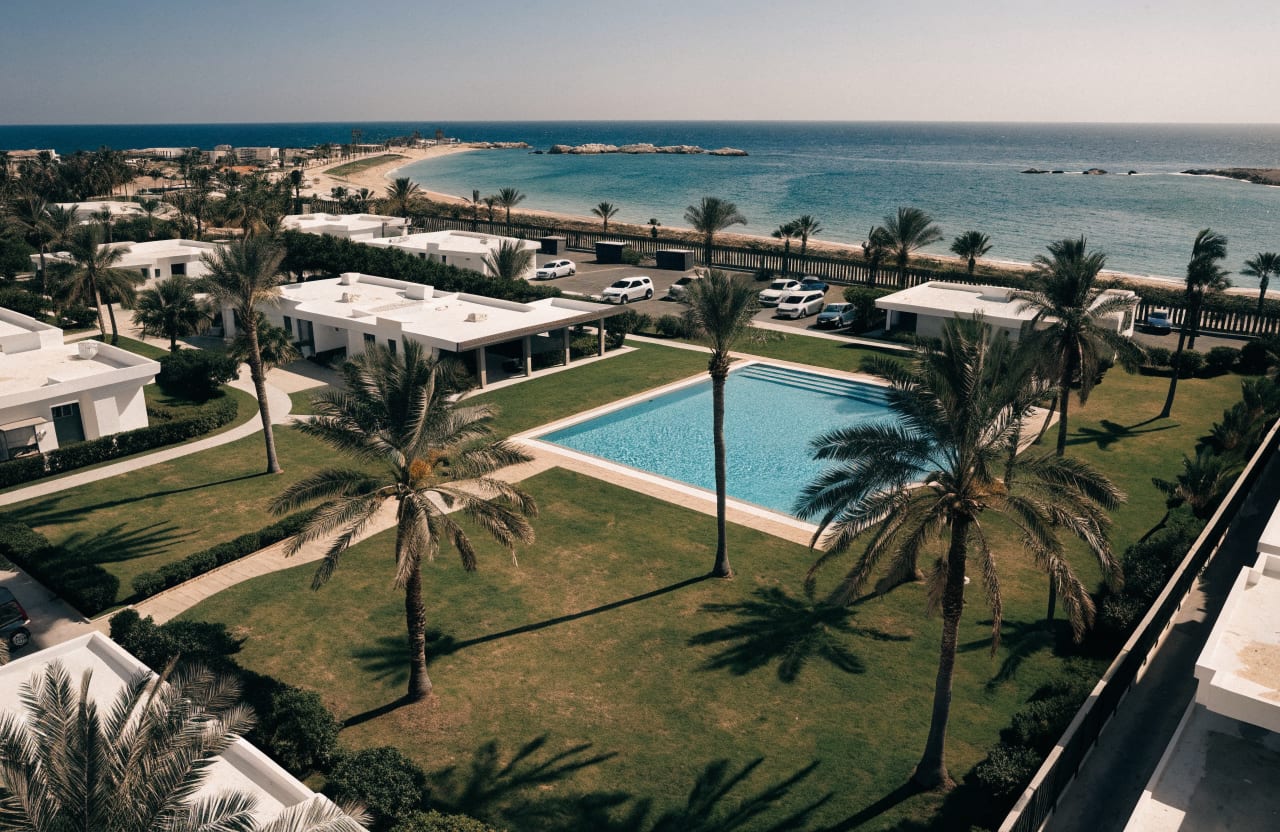
Furnished or unfurnished: what really stays in the flat and what it is worth
'Furnished' in Sharm means anything from a full kit to three pieces and the curtains. What usually stays, when furniture is a plus and when an overpayment, how to value it when negotiating and how to draw up the inventory so there is no dispute at handover.

What affects the price of a flat in Sharm: the multipliers that pull two similar flats apart
Square metres are not the main multiplier. Water and view, area and buyer, the building and its management, the service charge as price over time, readiness, floor and documents: the mechanics of price without figures, and how to read the real premium in the catalogue.
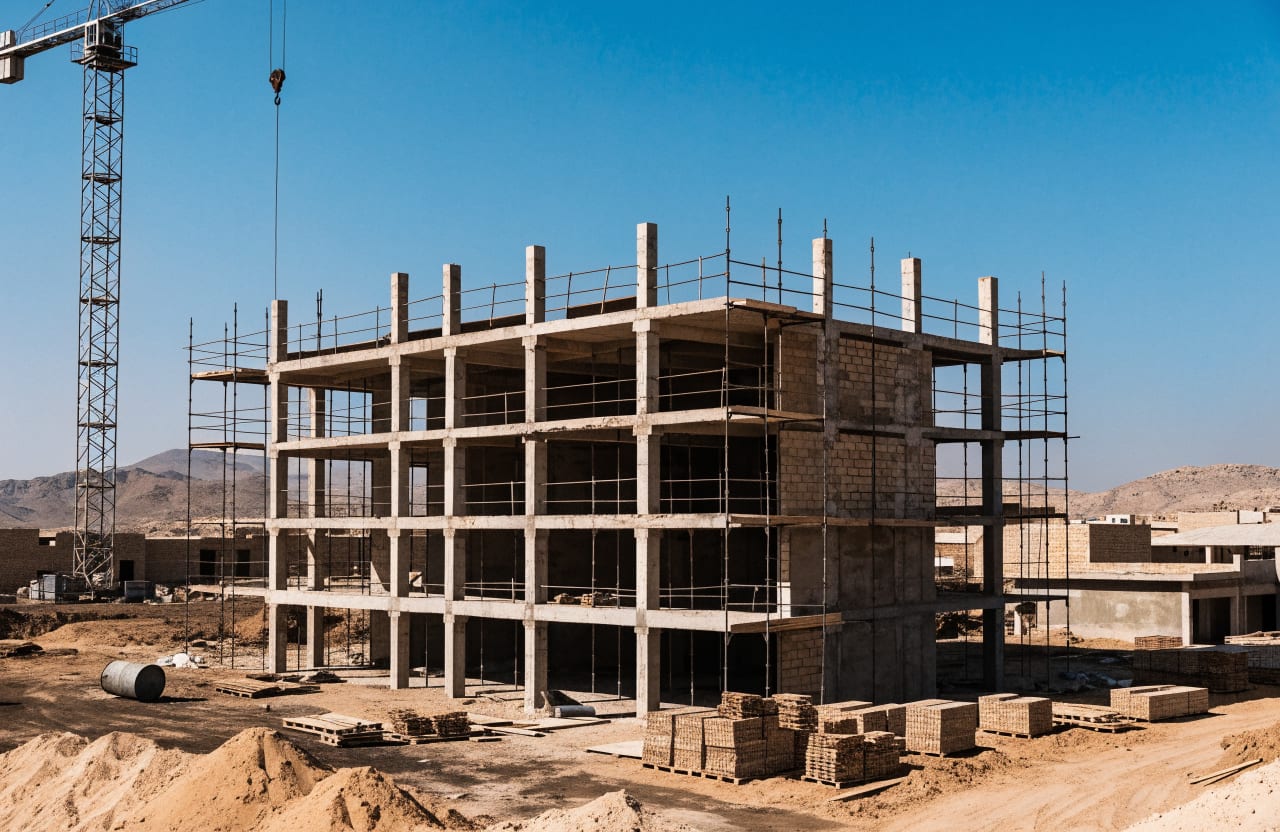
Flat handover in Sharm El Sheikh: what to check, how to record it and why not to hurry
After handover the defects are your concern and your money. What to bring, what must be checked — water, electricity, air-conditioning, windows, terrace, area, common areas — how to record defects, what to do afterwards and how to accept remotely.