Sharm El Sheikh or Hurghada: where to buy property — an honest comparison
The Red Sea's two main resorts compete for buyers. We compare by attributes, not emotions: geography, climate and water, who comes, how the towns work, the housing market, letting and daily life. No yield estimates and no 'better for everyone'.
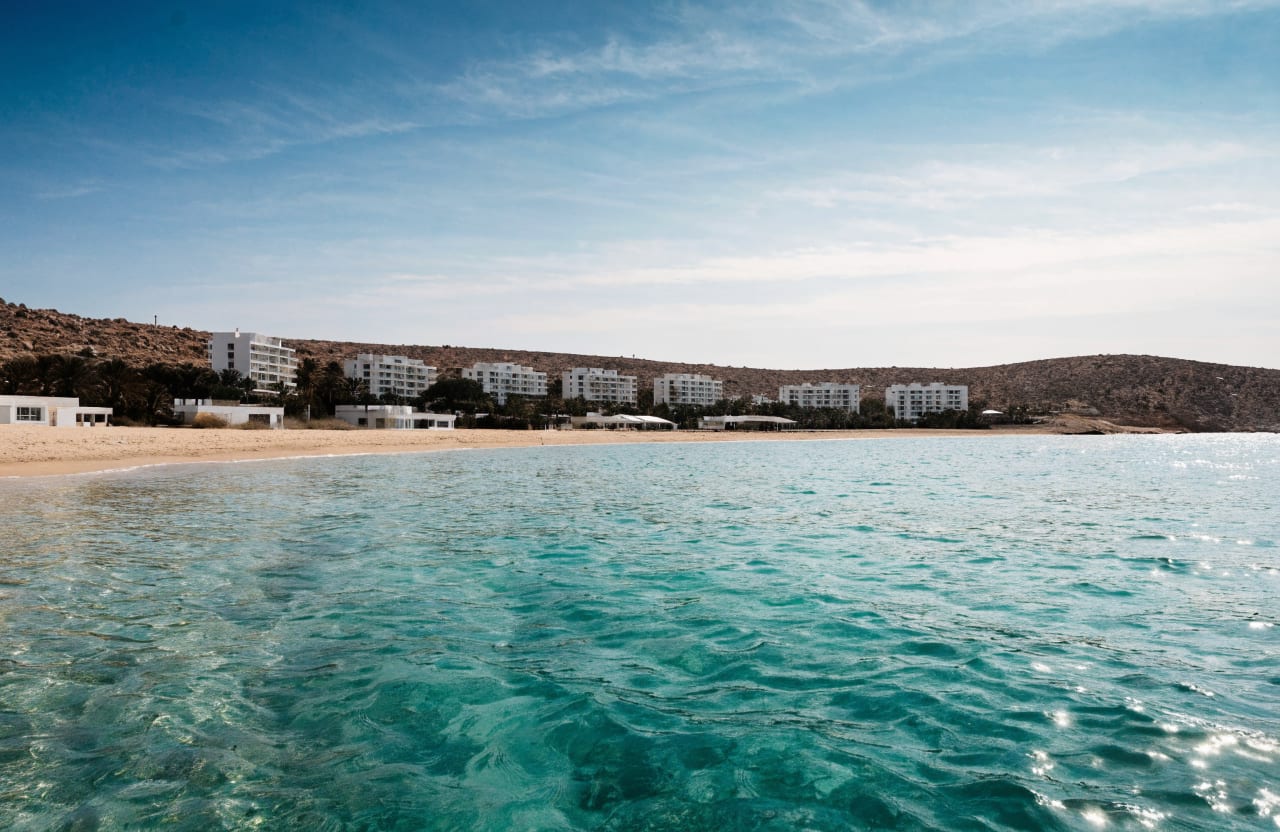
'Sharm or Hurghada?' is the first question of almost everyone who decides to buy a home by the Red Sea. We work in Sharm and do not pretend to be neutral about it. We do try to be neutral about facts: below is a comparison by the attributes that really distinguish the two towns, with an honest note wherever we have no confirmed figures. The choice depends on why you are buying — and by the end of the article that will be the main question.
Geography: peninsula versus mainland
Sharm El Sheikh sits at the southern tip of the Sinai peninsula, between the Gulf of Aqaba and the mountains; Hurghada is on the African shore, on the mainland, along which a chain of resorts stretches for tens of kilometres from El Gouna to Sahl Hasheesh and Makadi. Much follows from that. Sharm is compact and hemmed in by mountains and reserves: it can only grow north (Nabq), which holds supply back. Hurghada stretches along the coast almost without limit, and physically has more new projects.
For a buyer that means markets of different character: in Sharm, a limited territory and established areas with a clear identity; in Hurghada, a large choice of new projects in satellites with their own infrastructure and prices, often lower thanks to the volume of supply.
Sea and reef
Sharm is a reef town. Coral comes up to the shore almost everywhere, you enter the water from pontoons, and Ras Mohammed national park and the Strait of Tiran are among the best-known dive sites in the world. Open sandy entries are few: Naama's bay, some hotel beaches, Sharks Bay. In Hurghada the shore is mostly sandy with a gentle entry, the reef further out, the sea shallower at the edge — easier for children and for people who do not dive.
So the two towns have different people in the water: Sharm gathers divers, snorkellers and daily swimmers in clear, deep water; Hurghada, families with small children, kitesurfers (the wind at Hurghada is steadier) and those for whom the beach itself matters.
Climate
Both are desert by the sea, with hot summers and mild winters. The difference is in the detail: Sharm is sheltered by the mountains and, in the shared experience of residents, drier and less windy; Hurghada is open to the northerly winds, which relieve the summer heat, make winter swimming cooler and give kitesurfers their season. We quote no degrees or windy days: comparative climate tables in property articles rarely have a source, and people's impressions differ. The rule is simple — visit both towns in the same month and compare for yourself.
Who comes and who lives there
Hurghada has historically been closer to Russian-speaking and Eastern European tourists and to residents from those countries: more Russian schools, shops and services, a settled Russian-speaking community. Sharm has traditionally served Italians, the British and, in recent years, visitors from the Gulf; a Russian-speaking community exists and is growing, but it is smaller than Hurghada's. For a buyer this is not about prestige but about daily life: which language the neighbour, the doctor and the air-conditioning engineer will speak.
How the towns work
Sharm is several areas with distinct characters: resort Naama, residential Hadaba on the plateau, quiet Montazah, new and roomy Nabq, the narrow lines of Sharks Bay and Ras Um Sid. You move between them by car or taxi; the one pedestrian centre is Naama's promenade. Sharm's areas are compared in a separate article.
Hurghada is a long town along one highway: the old centre of Dahar with real Egyptian life and markets, Sakkala with its waterfront and hotels, El Mamsha with the promenade, then newer districts such as El Kawther and El Ahyaa, and the satellites — El Gouna, Sahl Hasheesh, Makadi — with their own closed infrastructure. There is more town life in Hurghada: supermarkets, markets, workshops, services, which suits permanent living on a limited budget.
The housing market
Hurghada's supply is wider and cheaper at the entry point: many studios and flats in new complexes along the whole town, active construction, a large choice in the lower price band. Sharm has fewer properties, a more compact market, and the price is driven more by area, line and view; the share of homes in compounds with grounds is high. We name no actual prices: our catalogue reflects Sharm, we hold no confirmed data of our own on Hurghada, and we will not quote other people's undated tables.
The legal conditions for a foreign buyer are the same in both towns — one law, one country. The differences are only in the practice of local offices and in whom you work with. How a purchase works is covered in the buying-guide articles.
Letting
Both towns live on tourism all year with a summer dip among European guests. Hurghada's short-let market is larger in volume and oriented to Russian-speaking and Eastern European guests; Sharm's demand is smaller in number but the public spends more and more often flies in for diving and quiet holidays. Long lets are easier in Hurghada thanks to the larger number of resident foreigners. We give no yield figures for either town: there is no confirmed source, and verbal estimates are calculated on the best month.
So which to choose
- You want to live permanently on a limited budget, in a Russian-speaking environment, with town infrastructure and a sandy sea for children — Hurghada offers more options.
- You want a sea for swimming and diving every day, a compact town with distinct areas, a home in a compound with grounds and a European and Gulf public — that is Sharm.
- Buying to let — decide honestly who your guest is: the mass tourist from Eastern Europe (Hurghada) or the diver and the European family for two weeks (Sharm).
- Undecided — visit both towns in the same month, rent a flat for a week in each and compare not the hotels but the areas you would live in.
Najczęstsze pytania
Where is property cheaper — Sharm or Hurghada?
Hurghada's supply is wider and the entry point is usually lower thanks to the many new projects. We give no Hurghada prices — we hold no confirmed data of our own; Sharm prices are in the Dommare catalogue.
Where is the sea better?
Different, not better. Sharm: reef at the shore, clear deep water, world-class diving, few sandy entries. Hurghada: sandy beaches with a gentle entry, shallower, easier for children, steadier wind for kitesurfing.
Where are there more Russian speakers?
In Hurghada, which has historically had more Russian-speaking residents, schools and services. Sharm's community exists and is growing but is smaller; the traditional public is Italian, British and Gulf visitors.
Are the buying rules for foreigners the same?
Yes — one law, one country. Only the practice of local offices differs. How a purchase works is in the buying-guide articles.
Where is letting more profitable?
We publish no yield figures for either town — they have no confirmed source. Hurghada's letting market is larger in volume; Sharm's is smaller but its public spends more. Decide who your guest is.
Do you sell in Hurghada?
No, Dommare works in Sharm El Sheikh. If the comparison brings you closer to Hurghada, we will say so plainly.
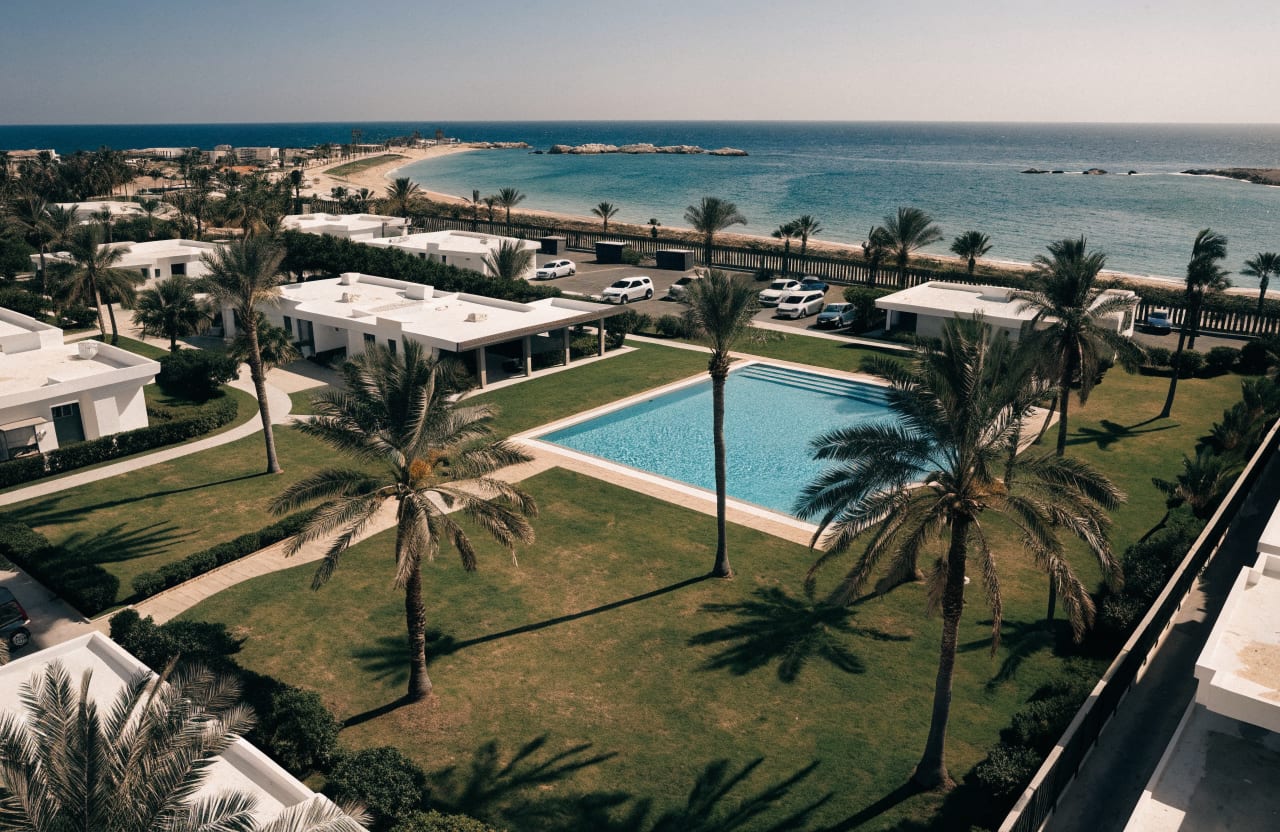
Furnished or unfurnished: what really stays in the flat and what it is worth
'Furnished' in Sharm means anything from a full kit to three pieces and the curtains. What usually stays, when furniture is a plus and when an overpayment, how to value it when negotiating and how to draw up the inventory so there is no dispute at handover.
What affects the price of a flat in Sharm: the multipliers that pull two similar flats apart
Square metres are not the main multiplier. Water and view, area and buyer, the building and its management, the service charge as price over time, readiness, floor and documents: the mechanics of price without figures, and how to read the real premium in the catalogue.
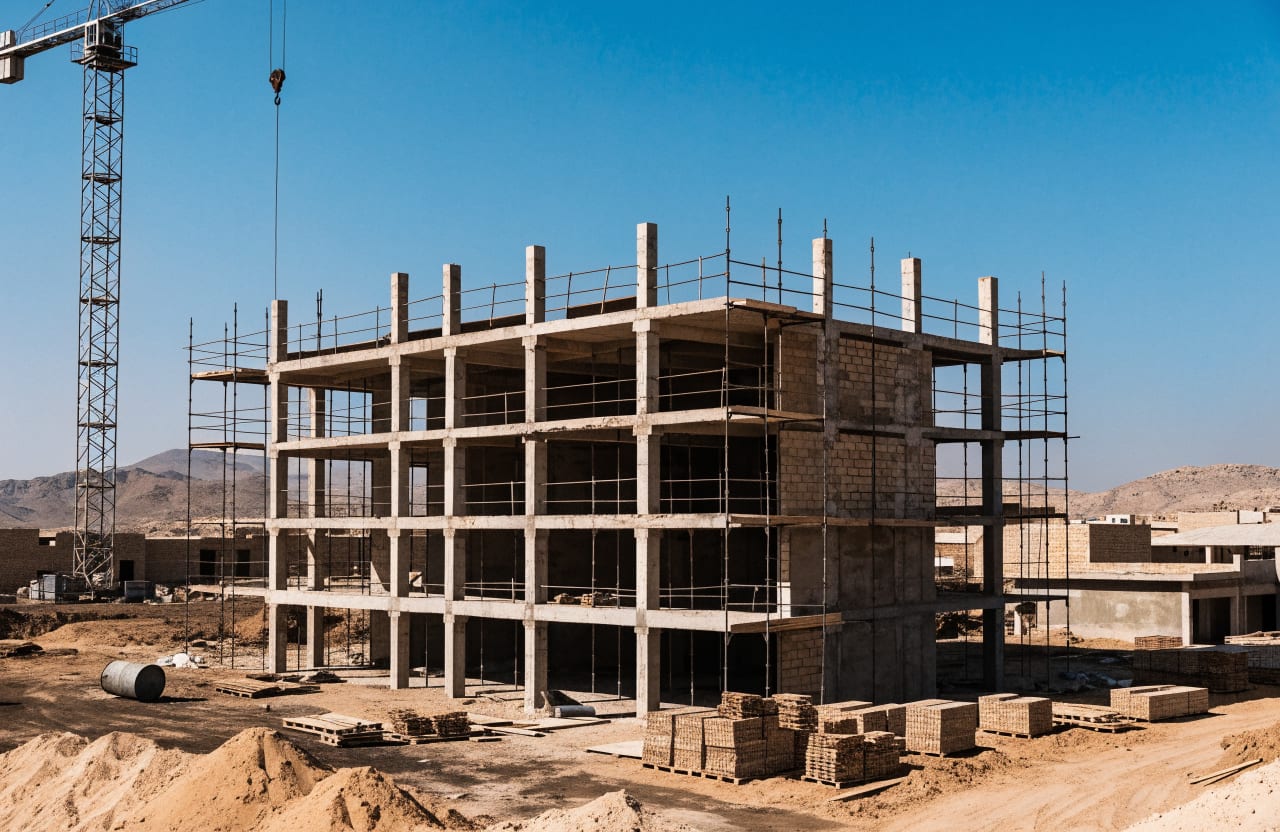
Flat handover in Sharm El Sheikh: what to check, how to record it and why not to hurry
After handover the defects are your concern and your money. What to bring, what must be checked — water, electricity, air-conditioning, windows, terrace, area, common areas — how to record defects, what to do afterwards and how to accept remotely.