Furnished or unfurnished: what really stays in the flat and what it is worth
'Furnished' in Sharm means anything from a full kit to three pieces and the curtains. What usually stays, when furniture is a plus and when an overpayment, how to value it when negotiating and how to draw up the inventory so there is no dispute at handover.
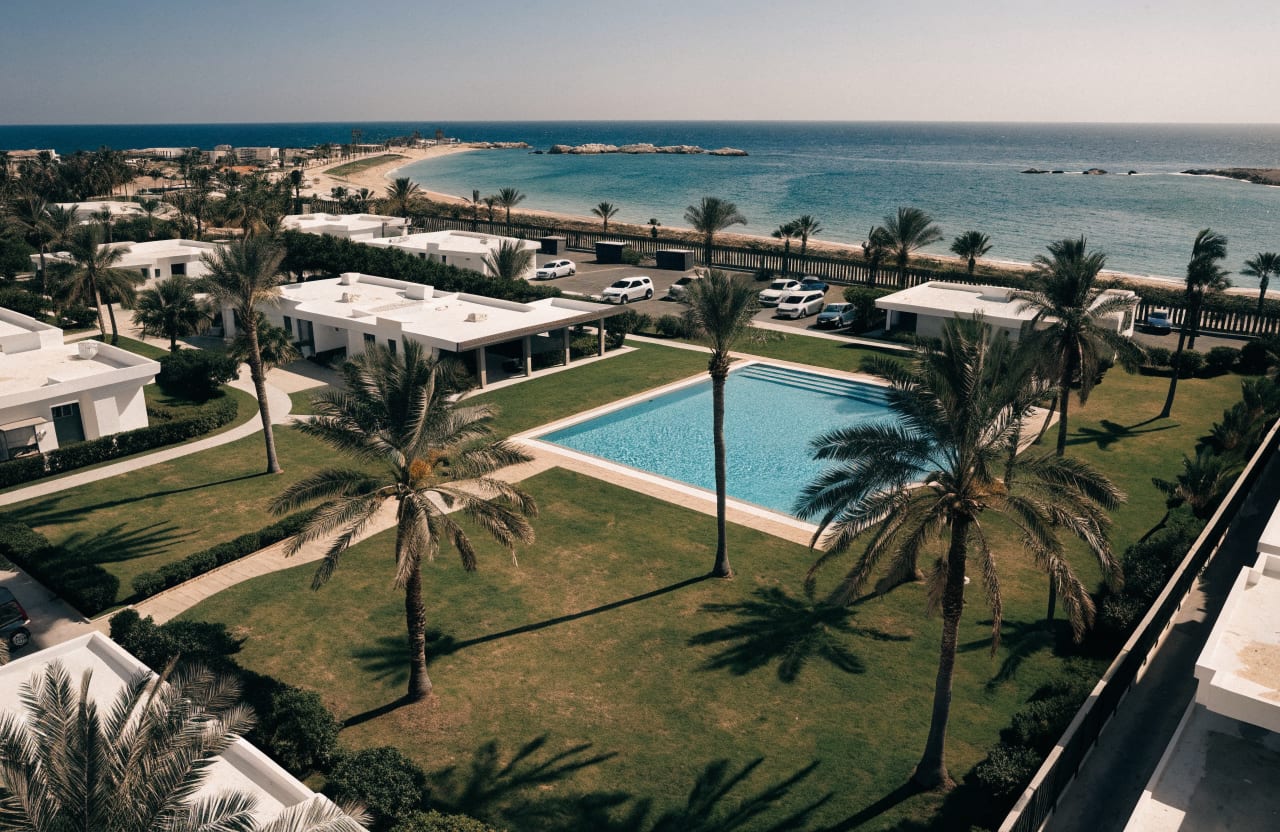
In Sharm El Sheikh most flats are sold 'furnished' — a legacy of the resort market, where a flat was bought to arrive with one suitcase. But the word covers everything from a fully equipped home with crockery and bedding to three pieces and the curtains the seller did not want to move. The difference between those two is months of your time and a noticeable sum, and it does not show in the listing. This article is about what usually stays in a flat and what does not, how to record it so there is no dispute at handover, when furniture is a plus and when it is an overpayment, and how to work out what it is really worth.
What usually stays, and what is a matter of agreement
- Almost always stays: kitchen units, built-in wardrobes, air-conditioners, sanitaryware, ceiling lights, mosquito screens.
- Usually stays, but ask: the water heater, pump, tank, water filter, washing machine — they are sometimes removed because they are dear and portable.
- A matter of agreement: sofas, beds, mattresses, tables and chairs, television, fridge, cooker, microwave, terrace furniture.
- Almost never stays without a separate line: crockery, bedding, towels, curtains, decor, household bits — anything easy to carry.
- A separate question: the satellite dish and router — whose equipment and whose contract.
When furniture is a plus
If the flat is for yourself — for wintering or for living — a ready home saves months: while you buy and wait for the bed, the sofa and the fridge, you sleep on a mattress on the floor. Sharm has furniture to choose from, but imports are dearer and scarcer out of season, and delivery and assembly are their own story of 'tomorrow means soon'. Arriving and living from day one is real value, and it is reasonable to pay for it if the furniture is in decent condition and matches your taste for at least a year ahead.
The second case: the flat is already let and is bought with its 'working' kit for guests — beds, linen, crockery, the whole base. If you do not intend to change the letting format, you are buying working inventory, not furniture.
When empty is better
If the flat is for letting and you will fit it out for your own format, someone else's furniture is more often a wasted cost: it gets replaced anyway, and removing and selling the old is time and money. If the furniture is old, sun-faded, with rusty legs and split seams, it is not a plus but a hidden removal cost. If you are buying for years and want to live among your own things — empty too. And above all: the furniture premium in a listing is often more than the furniture is worth; a flat 'furnished' and the same flat 'unfurnished' can differ by a sum that buys new.
What furniture is really worth
A simple method: go through the inventory and ask of every item — would I keep this if the flat were empty and I were buying myself? What you would keep, count at the price of new less wear; what you would not, count at zero or at a minus for removal. Air-conditioners and the water heater separately: their age matters more than the brand; in a seaside climate the outdoor units rust and replacement after a few years is the norm — a five-year-old air-conditioner is not an asset but the next expense. The resulting sum is your negotiating figure. If the seller values the furniture higher, ask to buy the flat without it: it often turns out they have nowhere to take it, and the price moves.
We quote no prices for furniture and appliances in Sharm: they move with the exchange rate and the season. The method is to go through the inventory and compare with the price of new in local shops on the date of purchase.
How to document it so there is no dispute
- The inventory as an annex to the contract, signed by both sides: item, quantity, condition, dated photo.
- Appliances with model and, where available, serial number: 'fridge' is replaced by another fridge more easily than 'Samsung RB34, serial…'.
- Air-conditioners and water heater in the inventory with the year of installation and a note of whether they worked at inspection.
- What the seller takes — also as a list, so that 'we did say the TV' does not become a dispute at handover.
- Built-ins: what comes out without a trace and what leaves holes and wires — agree who repairs.
- At handover, the inventory checked against what stands in the flat, item by item, before signing the act. How to accept a flat is a separate article.
Sharm's particularity: furniture in sun and salt
The seaside climate ages furniture faster than photographs suggest. Sofa fabric fades in two summers by a south-facing window, metal legs and bed frames rust by an open terrace, laminate swells with humidity in a closed flat, mattresses in an empty flat take on a smell. So 'furniture as new' in a year-old photo and the furniture at the viewing are different things: look in person, touch, turn the cushions, open the wardrobes. And budget for replacing the soft furniture on the terrace and by the windows within a few years in any case — we have a separate article on caring for a flat in this climate.
Najczęstsze pytania
What does 'furnished' mean in Sharm listings?
Anything — from a fully equipped flat to three pieces and the curtains. The only way to know is a written inventory with photos attached to the contract.
What usually stays in a flat when it is sold?
The kitchen, built-in wardrobes, air-conditioners, sanitaryware, lights. The water heater, pump and washing machine are sometimes removed — ask separately. Crockery, bedding and curtains only by inventory.
Is it worth paying extra for furniture?
For yourself and for wintering — yes, if the furniture is in decent condition: you live from day one. For letting in your own format or for years — usually not: it gets replaced anyway.
How do I value furniture when negotiating?
Go through the inventory: what you would keep, at the price of new less wear; what you would not, at zero or minus removal. Air-conditioners and water heater by age: more than a few years old is the next expense, not an asset.
How do I document furniture in the contract?
An inventory annexed to the contract and signed by both sides: item, quantity, condition, photo, appliance models. Separately, what the seller takes. At handover, a check item by item.
How does the seaside climate affect furniture?
Fabric fades in two summers by a south window, metal rusts by the terrace, laminate swells with humidity, mattresses in an empty flat take on a smell. Look at the furniture in person, not in old photos.

What affects the price of a flat in Sharm: the multipliers that pull two similar flats apart
Square metres are not the main multiplier. Water and view, area and buyer, the building and its management, the service charge as price over time, readiness, floor and documents: the mechanics of price without figures, and how to read the real premium in the catalogue.
Flat handover in Sharm El Sheikh: what to check, how to record it and why not to hurry
After handover the defects are your concern and your money. What to bring, what must be checked — water, electricity, air-conditioning, windows, terrace, area, common areas — how to record defects, what to do afterwards and how to accept remotely.
Developer instalment plans in Egypt: how they work and what to check before the first payment
A mortgage is effectively unavailable to a foreign buyer in Sharm — the developer's payment schedule takes its place. What a plan is made of, how to read '10 % and seven years', what 'interest-free' means, eight questions before the first payment, red flags and how to total the real cost.