Flat handover in Sharm El Sheikh: what to check, how to record it and why not to hurry
After handover the defects are your concern and your money. What to bring, what must be checked — water, electricity, air-conditioning, windows, terrace, area, common areas — how to record defects, what to do afterwards and how to accept remotely.
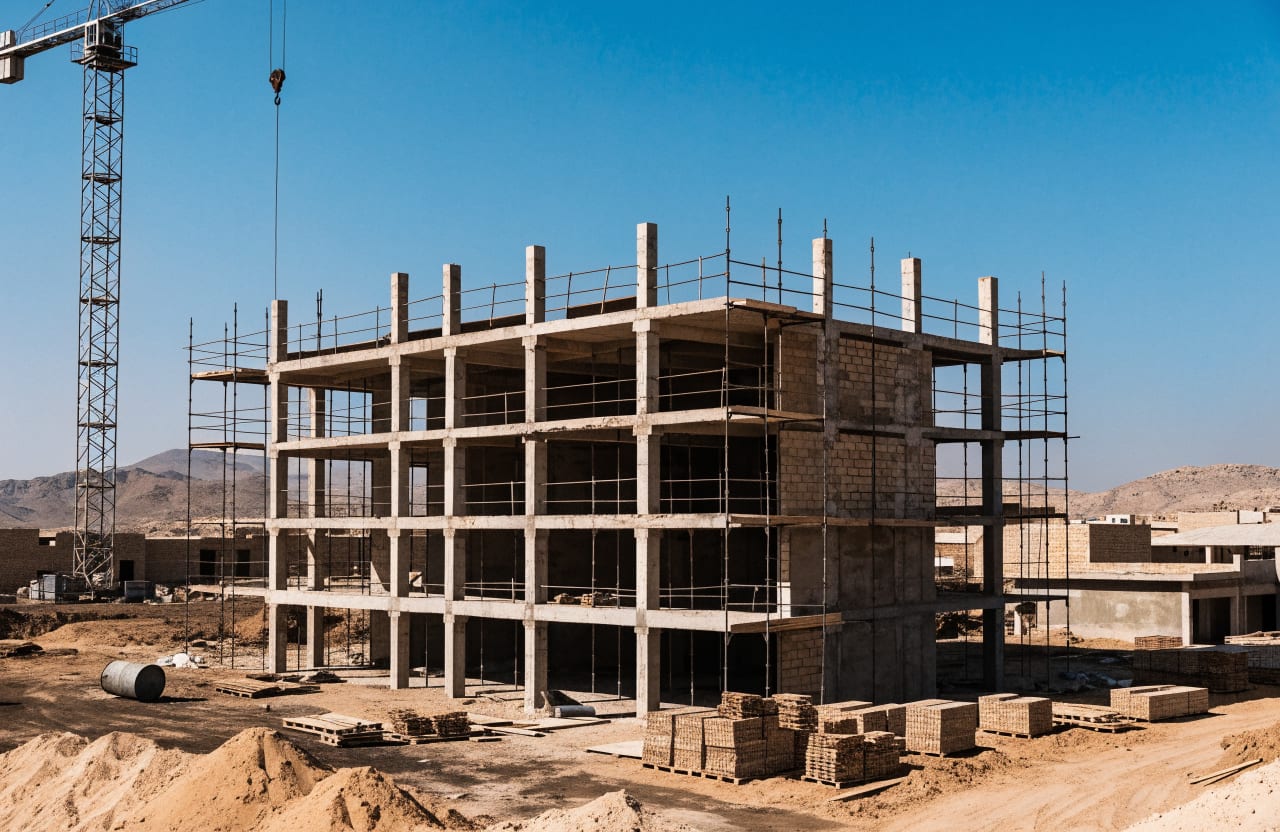
Handover of a flat is not a formality and not a tour with the keys. It is the moment after which fixing defects stops being the developer's or seller's duty and becomes your concern and your money. In Sharm El Sheikh the climate adds to this: what looks minor at handover — a gap in a frame, a drip under the sink, an air-conditioner without a drain — turns into a repair within one summer of salt and heat. This article is about preparing for handover, what must be checked, how to record defects and what to do when the developer hurries you. What legal consequences a signed act carries, with defects noted or without, is a question for a lawyer; here we describe the procedure, not the legal effects, and until a lawyer signs off the article is hidden from search engines.
Preparation: what to bring and what to know
- The flat plan with dimensions from the contract — to check geometry and area, not an impression.
- The description of finish and fittings from the contract or its annex: floor and wall materials, sanitaryware, kitchen, doors, windows, air-conditioners — line by line.
- The furniture and appliance inventory if the flat is furnished — with the inventory photos.
- The list of defects from the viewing, if you were there before: what was promised to be fixed.
- A phone with camera and date stamp, a tape measure, a phone charger — to test sockets, a torch — to look under sinks and into shafts.
- Time: a handover takes an hour or two, not fifteen minutes. If you are hurried, that is a reason to slow down.
- For a remote handover — a representative with your list and continuous video, not selective photos.
What must be checked
Water
Pressure at all taps at once and in the shower; hot water — is there a heater, does it heat; drainage in every sink, bath and shower — fill and watch it go; under every sink — dry, no trace of drips; the toilet — flush and refill; the washing machine — supply and drain; the kitchen stop valve. In Sharm specifically: the tank if it is yours, the pump if the building has one, the filter if one is declared.
Electricity
Every socket with the phone charger; every switch and light; the consumer unit — breakers labelled, switching off and on; doorbell and intercom if present; extractors in kitchen and bathroom; the water heater switches on. Ask how the compound generator is connected and what in the flat runs on it during a cut.
Air-conditioning
Start every unit on cool and, if it has one, on heat; does it cool within five minutes; the drain — where the condensate goes and whether it drips onto the facade or the neighbours; outdoor units — fixed, not rusty, a remote for each. In a seaside climate the air-conditioner is the main cost of the first summer; accept it as an appliance, not as part of the wall.
Windows, doors, terrace
Every window and door: opens, closes, locks, no warping, seals in place, glass without cracks or chips; mosquito screens. The terrace: slope and drain — pour a bucket of water and watch where it goes; tiles without hollows; railings fixed; waterproofing at the junction with the wall. The front door: lock, keys in the stated number, peephole.
Area, geometry, finish
Measure the rooms against the plan; check the area against the contract. Walls — cracks, blistered paint, traces of damp in corners and by the ceiling; floor — tiles without chips or hollows, laminate without swelling, level; ceiling — stains from leaks above; bathroom — grout and sealant; kitchen — doors, drawers, worktop, cooker connection. Check materials against the contract: not 'tiles' but those tiles.
Common areas are part of your handover too
The lift works; the stairwell is lit; the entrance and facade are finished; the pool and grounds match what was promised if you bought in a new compound; the parking space and storeroom, if they are in the contract, exist and are yours. For a new build: which parts of the infrastructure are not yet delivered and by when, in writing. The service charge usually starts to run from handover — confirm the date it is counted from.
Defects — in writing only
Everything found goes into a list: number, where, what, a dated photo. Both sides sign the list — you and the developer's representative or the seller — with a date and a deadline for each item. A verbal 'we will redo it' does not survive a change of foreman. If you are offered a 'clean' acceptance act with the defects 'remembered', do not sign: an act with the defect list attached, or a postponed handover. What consequences a signed act carries, with or without defects, is a question for a lawyer before the handover, not after.
The procedure summarises handover practice in Sharm and Dommare's checklists. The legal effects of the act, the deadlines for remedy and liability are wording a lawyer checks against your contract.
After handover: the first weeks
- Re-check the remedied defects — against the same list, with signatures.
- Meters: readings on the handover date — in writing, with photos; re-registration if required.
- Keys, remotes, codes: all of them, in the stated number; changing the lock is your decision, but a sensible one.
- The management company: introductions, contacts, rules, the service charge — from which date and how to pay.
- The first summer — observation: air-conditioners under load, the terrace in rain if it comes, water pressure at peak season. Whatever surfaces goes to the developer within the period the contract gives.
If you are not accepting in person
A representative with your list and continuous video — from the front door to every tap. 'Selective' photos will not do: you will not know what was not filmed. They sign the defect list under a power of attorney whose scope allows it — how the power of attorney and a remote transaction work is a separate article. Dommare conducts the handover with the client or on their behalf by their list and records everything on the property card.
الأسئلة الشائعة
What should I bring to a flat handover?
The plan with dimensions, the contract with its description of finish and fittings, the furniture inventory, a phone with camera and date, a charger to test sockets, a tape measure, a torch — and an hour or two.
What must be checked at a handover in Sharm?
Water (pressure, drainage, leaks, heater), electricity (every socket, the consumer unit), every air-conditioner with its drain, windows and terrace doors, terrace slope and drain, area against the plan, finish against the contract, common areas and the lift.
How do I record defects at handover?
In a written list with dated photos, signed by both sides, with a deadline for each item. Verbal promises do not count.
Can I sign the acceptance act with defects noted?
What consequences an act carries, with or without defects, is a question for your lawyer before the handover. The procedure: an act with the defect list attached, or a postponed handover — never a 'clean' act on a verbal 'we will remember'.
Can a flat be accepted remotely?
Through a representative with your list and continuous video from the door to every tap. They sign the defect list under a power of attorney if its scope allows.
From which day does the service charge start?
Usually from handover — confirm the date it is counted from with the developer and the management at the handover, in writing.
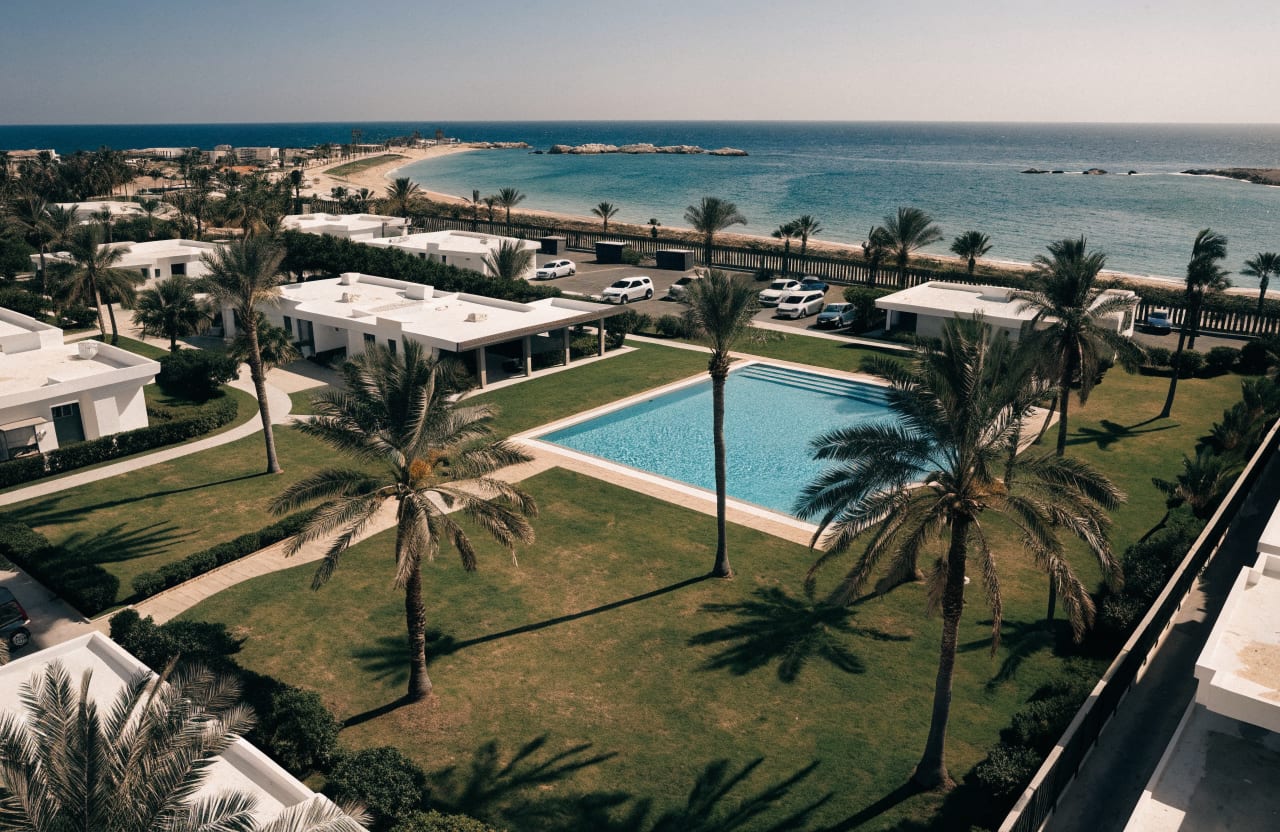
Furnished or unfurnished: what really stays in the flat and what it is worth
'Furnished' in Sharm means anything from a full kit to three pieces and the curtains. What usually stays, when furniture is a plus and when an overpayment, how to value it when negotiating and how to draw up the inventory so there is no dispute at handover.

What affects the price of a flat in Sharm: the multipliers that pull two similar flats apart
Square metres are not the main multiplier. Water and view, area and buyer, the building and its management, the service charge as price over time, readiness, floor and documents: the mechanics of price without figures, and how to read the real premium in the catalogue.
Developer instalment plans in Egypt: how they work and what to check before the first payment
A mortgage is effectively unavailable to a foreign buyer in Sharm — the developer's payment schedule takes its place. What a plan is made of, how to read '10 % and seven years', what 'interest-free' means, eight questions before the first payment, red flags and how to total the real cost.