What affects the price of a flat in Sharm: the multipliers that pull two similar flats apart
Square metres are not the main multiplier. Water and view, area and buyer, the building and its management, the service charge as price over time, readiness, floor and documents: the mechanics of price without figures, and how to read the real premium in the catalogue.

Two flats of the same area in the same town can differ in price several-fold — and the difference is almost never in the square metres. In Sharm El Sheikh the price per metre is pulled apart by water and view, by the area and what is nearby, by the building rather than only the flat, by the costs after purchase and by readiness. This article is about the price multipliers: what exactly makes one flat dearer than another, which of these factors work in opposite directions for different buyers, and how to use them so you neither overpay for what you do not need nor save on what cannot be fixed later. There are no prices or percentages here — only the mechanics.
Water and view — the strongest multiplier
Closeness to the sea and whether you see it from the window are two different things, and both move the price. Closeness is the real route to the water with an accessible way down, not a ruler on the map; the view is what the main rooms see, not a strip from the terrace at an angle. The view is valued not for itself but as the one thing that cannot be added later: a renovation can be done, the floor and the window cannot. That is why the premium for a real view holds at resale better than the premium for a finish — and why a 'partial view' should not be paid for as a full one. How distance and view work in Sharm are separate articles.
The area and what is nearby
The same factor works in opposite directions depending on who is buying. Walking distance to shops, cafes and a clinic raises the price in living scenarios — Hadaba, the heights above Naama Bay; distance and quiet raise it in resort scenarios, where the buyer comes for two weeks and wants grounds and a pool — Nabq. The noise of Naama Bay's promenade is a minus for one buyer and what another pays for. So 'an expensive area' and 'a cheap area' are not properties of the area but of the match between area and buyer; read the area guides and look for the one where your scenario is the norm, not the exception.
The building, not only the flat
The state of the common areas, a working lift, a generator, water treatment and pressure, security and living neighbours affect the price more than a viewing of the flat suggests. A building with problems drags down even a renovated flat: the buyer pays for what will work in five years, not for fresh paint. Hence Sharm's frequent paradox — a modest flat in a well-managed compound costs more than a renovated one in an empty one. Occupancy, service-charge arrears and the history of special levies are the three questions that explain why two neighbouring buildings are priced differently.
Costs after purchase — the price stretched over time
The service charge is part of the price, paid over years. A high charge, all else equal, lowers what a buyer will pay up front; a low charge with empty pools and a dead generator is not a saving but a deferred special levy. A sensible buyer counts the price of the flat plus ten years of upkeep — and two flats with the same entry price turn out different. The owner's year is a separate article.
Readiness: construction against ready
Property under construction is usually cheaper than ready, and the difference is the payment for risk and time: you pay for what does not yet exist and wait. How much cheaper depends on the project and the developer, and we publish no forecasts. Within ready property there is a further axis: recent buildings with modern services cost more than older blocks, unless the old one has what cannot be built anew — the reef beneath the window or the front row above the cliff.
What else moves the price
- Floor: upper — view and privacy, but heat and the lift; lower — garden and convenience, but noise and damp; middle — the compromise most people pay for.
- Layout: separate bedrooms with windows and doors against a windowless 'study'; closed or open kitchen; a terrace facing the right way.
- Orientation: south and west — winter sun and summer heat; north — coolness and wind on the headlands.
- Furniture and appliances: the premium is often more than they are worth — count by inventory.
- Form of title and documents: a flat with clear documents costs more than one 'in progress', and that is not a premium but a risk discount on the second.
- Compound rules: whether letting, pets and glazing are allowed — for an investor a ban on short-term letting removes part of the price.
- The seller's urgency and the season: supply in winter and demand in summer move differently.
The factors are listed from the practice of the Sharm market and from how the Dommare catalogue fields are built — view, distance, beach relationship, service charge, readiness. The absence of figures is deliberate: every price in the catalogue has its own source and date.
How to use this
- Name your scenario — living, wintering, letting — and write down which multipliers matter for it and which do not. An investor does not need the view they pay for as if for themselves; a family does not need the quiet of an empty resort.
- Compare flats within one building by floor and view: the price difference between them is the real size of the premium in this market today.
- Add ten years of service charge and the next repair to the price — that is how two 'identical' flats diverge.
- Pay for what cannot be added later — view, descent, building, documents — and negotiate on what can — finish, furniture, appliances.
- Use the catalogue filters — view, sea proximity, readiness, floor — to see how the price changes with one factor, all else equal.
الأسئلة الشائعة
Why do two flats of the same area in Sharm cost differently?
Because of water and view, the area and what is nearby, the building's condition and management, the service charge, readiness, floor, layout, documents and compound rules. Square metres are not the main multiplier.
What affects the price of a flat in Sharm most?
Closeness to the sea and the view from the main rooms — what cannot be added later. That premium holds at resale better than the premium for a renovation.
How does the service charge affect the price?
It is part of the price stretched over time: a high charge lowers what a buyer pays up front; a low one with dead services is a deferred special levy. Count the price plus ten years of upkeep.
How much cheaper is off-plan than ready?
The difference is the payment for risk and time, and it depends on the project and the developer. We publish no forecasts; compare specific properties in the catalogue.
How do I find the real size of the premium for view or floor?
Compare flats within one building by floor and view in the catalogue: the difference between them is the premium in this market today.
What should I pay for and what should I negotiate on?
Pay for what cannot be added later: view, the way to the water, the building and its management, documents. Negotiate on finish, furniture and appliances.
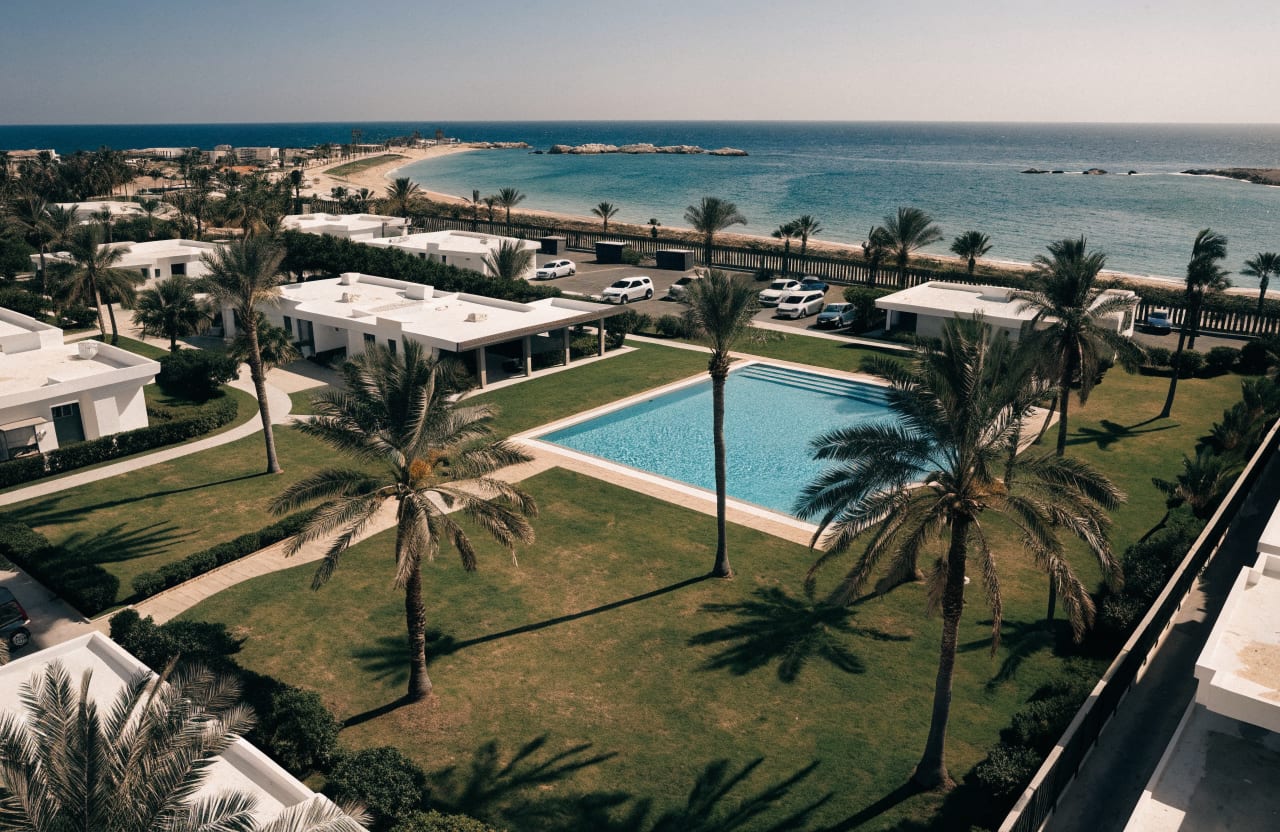
Furnished or unfurnished: what really stays in the flat and what it is worth
'Furnished' in Sharm means anything from a full kit to three pieces and the curtains. What usually stays, when furniture is a plus and when an overpayment, how to value it when negotiating and how to draw up the inventory so there is no dispute at handover.
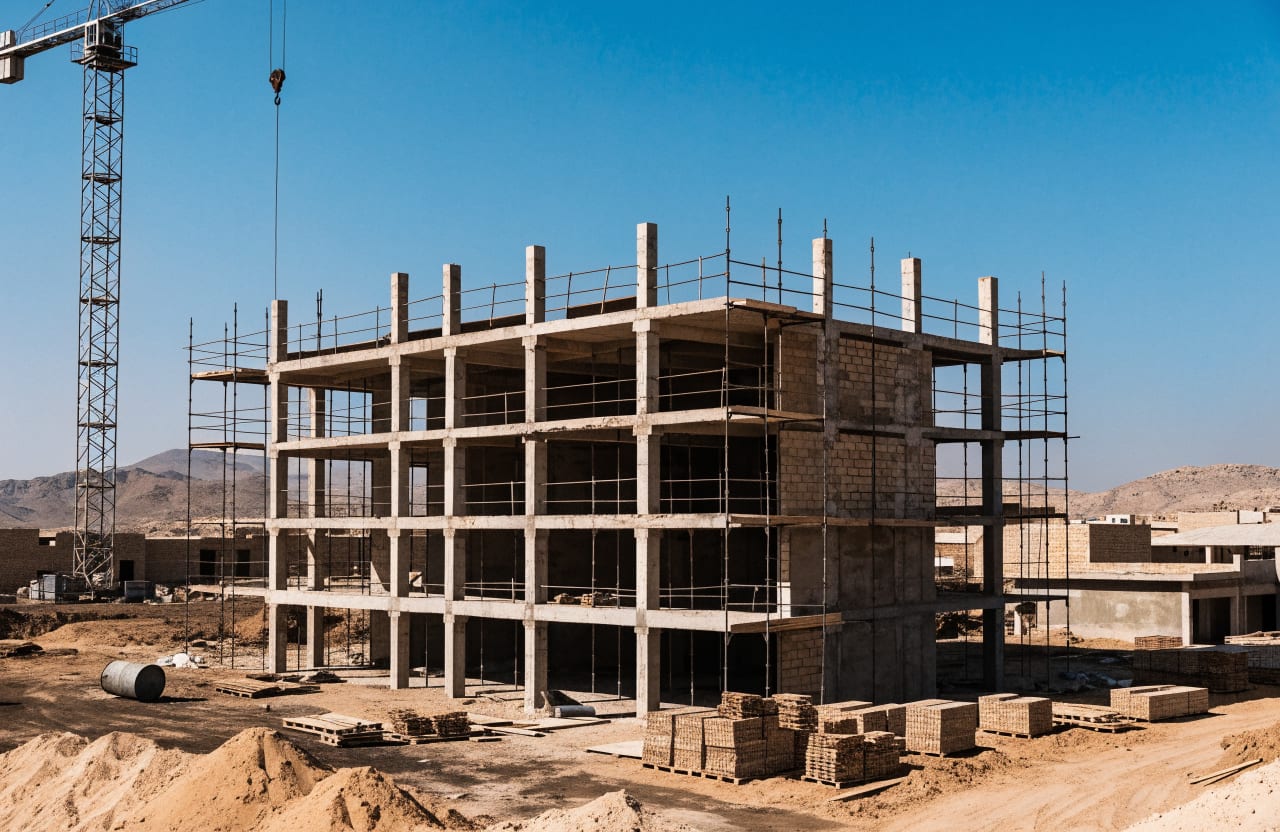
Flat handover in Sharm El Sheikh: what to check, how to record it and why not to hurry
After handover the defects are your concern and your money. What to bring, what must be checked — water, electricity, air-conditioning, windows, terrace, area, common areas — how to record defects, what to do afterwards and how to accept remotely.
Developer instalment plans in Egypt: how they work and what to check before the first payment
A mortgage is effectively unavailable to a foreign buyer in Sharm — the developer's payment schedule takes its place. What a plan is made of, how to read '10 % and seven years', what 'interest-free' means, eight questions before the first payment, red flags and how to total the real cost.