Buying property remotely: viewings, power of attorney, transfers
Most of a purchase can be done from home. Three mechanisms carry the weight — the remote viewing, the power of attorney and the payment chain — and each has a way of being done badly.
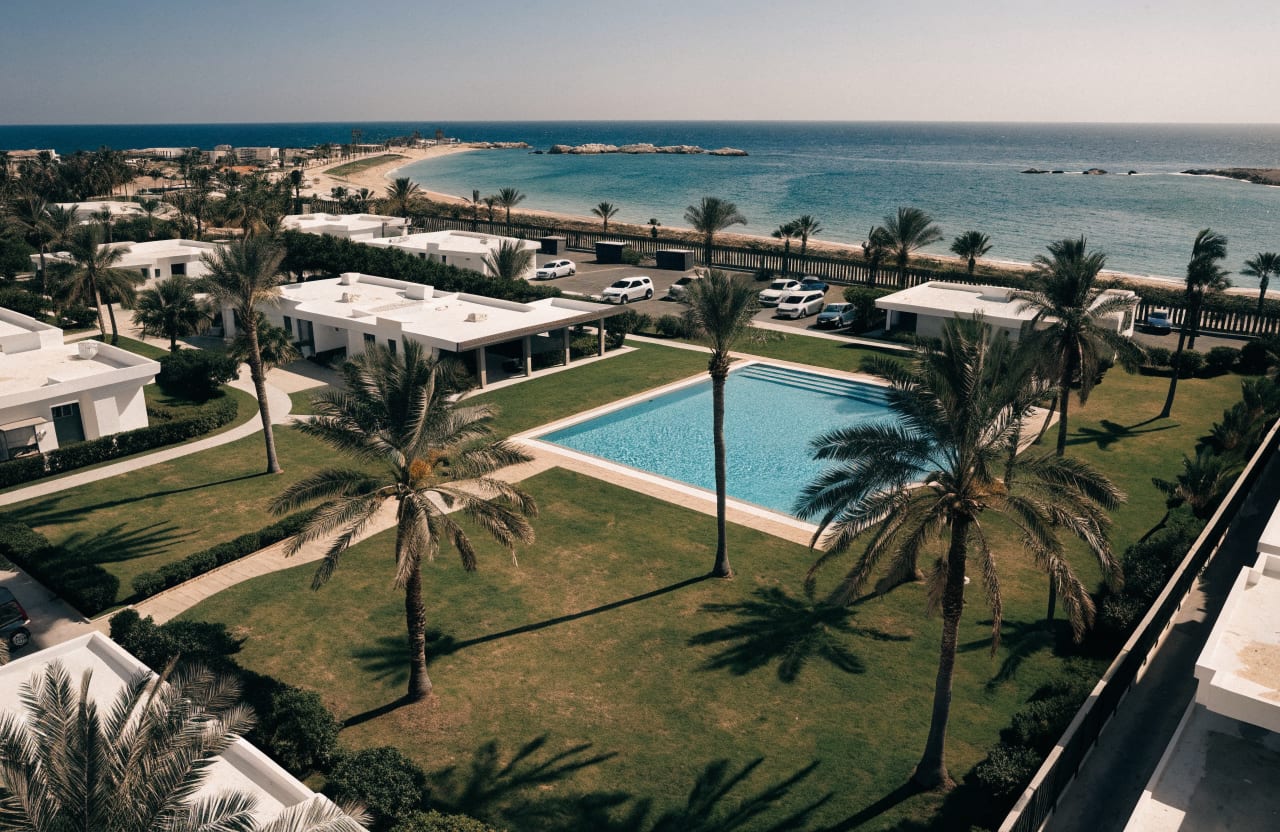
What buying property remotely can and cannot cover
Buying property remotely is normal rather than exotic, and most of the process genuinely works at a distance: shortlisting, document review by your lawyer, negotiation, and much of the paperwork. Three mechanisms carry the weight, and each of them has a careful version and a careless one.
The things that resist being done remotely are physical: how the unit actually feels, what the view really is, and what the compound is like on an ordinary evening. Plan one trip around those and run everything else from home.
The remote viewing, done properly
A video viewing establishes more than people expect and less than a marketing tour implies. The difference is entirely in who holds the camera and what you ask them to show.
- The unit's own number, on the door, on camera — not a similar unit or a show flat.
- The view from each window, panned slowly, rather than a still framed at the most flattering angle.
- The building from outside, and what stands immediately next to it on each side.
- Anything under construction nearby, including the far side of the compound.
- Common areas: entrance, stairs, lift, corridor, pool, gate — the parts that show how the place is run.
- Water pressure and hot water, taps running, on camera.
- Ceilings, corners and under sinks, where damp shows first.
A developer's tour is designed to sell. That does not make it dishonest, but it is a different exercise from an independent viewing where the person filming works for you and is willing to point the camera at something unflattering. Ask for the second kind.
Power of attorney
A purchase can be completed by a representative acting under a power of attorney, and this is how many remote transactions are closed. The document is normally drawn up before a notary and then legalised for use abroad, and the applicable procedure depends on where you sign it and what it will be used for.
Its scope should be drafted narrowly: the specific acts, the specific unit, and nothing spare. A power of attorney can normally be time-limited and revoked, and both should be discussed with your lawyer before signing rather than assumed. Broad authority is convenient for whoever holds it and is rarely in the interest of the person granting it.
The more important point is not the drafting. Who you appoint matters more than what the document says, because a narrow power in the wrong hands is still a power. Appoint a professional with a verifiable practice and an independent relationship to the transaction, not whoever is nearest to the seller.
For a European buyer: apostille and legalisation
Documents issued in one country and used in another generally need to be authenticated, and the route depends on the countries involved — an apostille in some cases, consular legalisation in others, and a certified translation on top. Your lawyer should tell you which chain applies to each document you need.
Start that early. It is the step most likely to add weeks to an otherwise smooth transaction, and it cannot be compressed by paying more attention to it later.
The payment chain
Money rarely goes in a single hop. Understand who is in the chain, what each party needs from you, and where the conversion happens, because that last point determines what actually arrives at the other end.
Three rules hold regardless of route. The payer name should match the buyer name on the contract, because a mismatch creates a problem at exactly the wrong moment. Account details should be confirmed through a channel you initiated yourself, not from an inbound message. And requirements change, so the arrangement that worked for someone last season is checked again at the time rather than assumed.
Sequencing one trip
The efficient order is: shortlist remotely, have documents reviewed remotely, then travel once to see the shortlisted units, meet the people and sign what has to be signed in person. Buyers who travel first and shortlist afterwards usually travel twice.
Where Dommare sits in a remote purchase
Your enquiry becomes a lead handled by a named Dommare agent who coordinates the viewing and the document trail, so you are not managing a chain of strangers yourself and you do not have to reach the owner directly. The listing's Passport shows which document checks are received and reviewed, which is the part of a remote purchase you cannot see for yourself.
Your next step
Shortlist two or three units in the Sharm El Sheikh search, then ask a Dommare advisor to arrange an independent video viewing of each against the list above. Do that before you book anything — it usually shortens the shortlist.
Furnished or unfurnished: what really stays in the flat and what it is worth
'Furnished' in Sharm means anything from a full kit to three pieces and the curtains. What usually stays, when furniture is a plus and when an overpayment, how to value it when negotiating and how to draw up the inventory so there is no dispute at handover.
What affects the price of a flat in Sharm: the multipliers that pull two similar flats apart
Square metres are not the main multiplier. Water and view, area and buyer, the building and its management, the service charge as price over time, readiness, floor and documents: the mechanics of price without figures, and how to read the real premium in the catalogue.
Flat handover in Sharm El Sheikh: what to check, how to record it and why not to hurry
After handover the defects are your concern and your money. What to bring, what must be checked — water, electricity, air-conditioning, windows, terrace, area, common areas — how to record defects, what to do afterwards and how to accept remotely.