Viewing a flat by the sea in Sharm El Sheikh: the full checklist — what to look at, switch on and ask
The seaside climate wears out in years what lasts decades in a dry one. The order of a viewing: water and electricity, air-conditioning, traces of salt, windows and terraces, common areas, documents and neighbours. What to bring and why you should come twice.
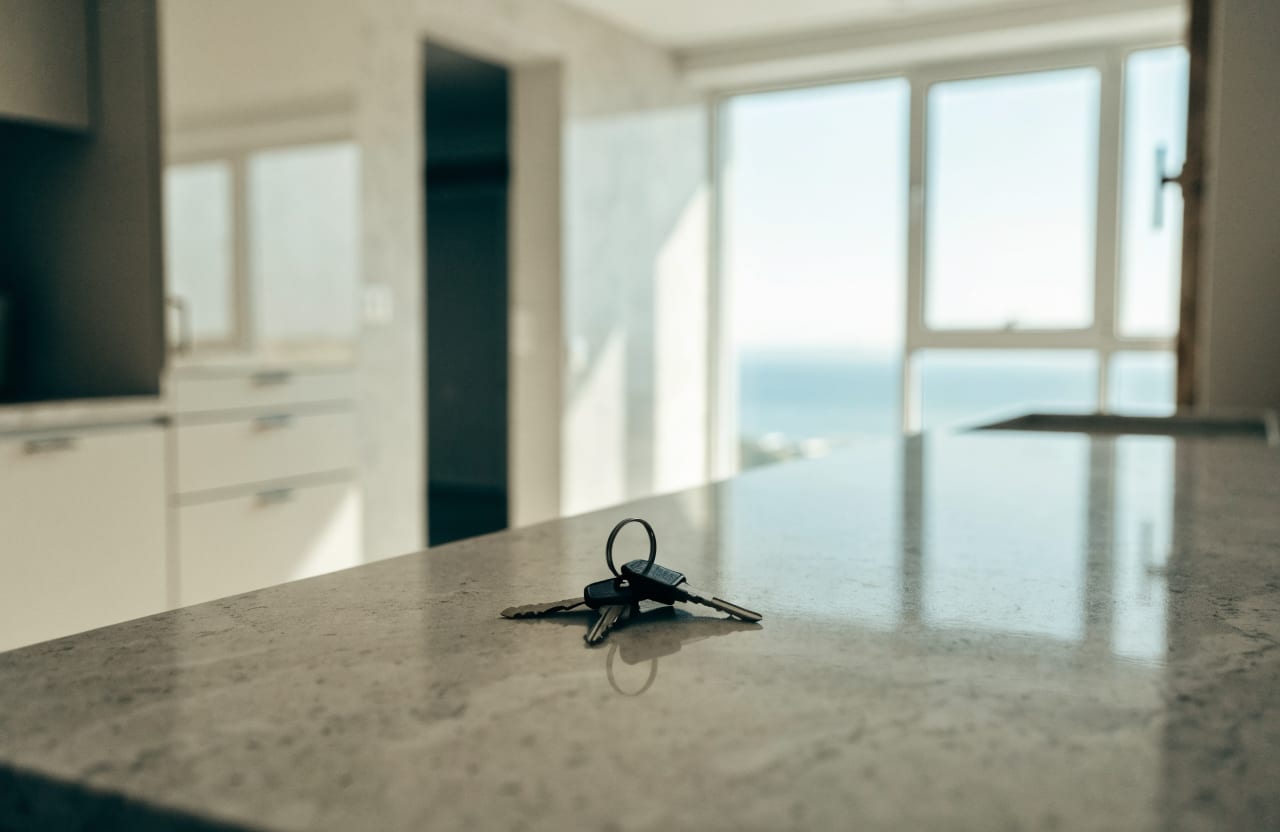
Everything ages faster by the sea. Salt and humidity reach metal, appliances and finishes in years rather than decades, and fresh paint on the walls can hide a building that is poorly kept. That makes a viewing in Sharm more important than in a dry climate, and different in kind: look not at the renovation but at the services, at traces of water and salt, and at how the building as a whole is maintained. Below is the order we suggest and the questions to ask.
Before the viewing
- Bring a phone with a good camera and a torch, a tape measure, a notebook. Photograph everything, especially the electrical room, the tanks and the outdoor units.
- Arrange the viewing during the building's working hours: when the pumps run and the manager or the security can be seen.
- Plan a second visit in the evening or morning: noise, light, wind and water pressure at peak use differ from midday.
- Ask the seller in advance for the age of the air-conditioning units and the water heater, the service charge and the name of the management company — so that on site you verify rather than learn.
Water
Open all taps at once and watch the pressure, especially on the upper floors and in the shower: Sharm's mains supply is uneven, and a building needs a storage tank and a pump. Ask where the tank is, its volume, when it was cleaned, and what happens when the town supply is cut. Look under the sink and behind the washing machine: rust, drips, fresh silicone on old joints. Check the drains in the shower and on the balcony — blockages and smell tell you about the state of the risers.
Electricity and the generator
Open the fuse board: breakers, labelling, scorch marks. Ask whether cuts happen and whether the building or compound has a generator, what it feeds (the lift, pumps, stairwell lights — or the flats too) and for how long it runs. For anyone working remotely a generator is insurance, not a luxury. Count the sockets in the kitchen and bedrooms: old buildings have few, and rewiring by the sea costs more than it seems.
Air-conditioning and the water heater
Air-conditioning here is not a convenience but part of the building's engineering: summer is unlivable without it. Switch on every unit, let it run for ten minutes, listen to the compressor, check that cold comes and where the condensate drips. Step onto the balcony and look at the outdoor units: a rusted casing and brackets say more about age and upkeep than any finish. Ask the year of installation — the service life by the sea is shorter than in a city, and replacing every unit in a two-bedroom flat is a noticeable sum. The water heater: age, drips at the valve, whether the water heats in a reasonable time.
Traces of salt and water
- The bathroom ceiling and the ceiling under the upstairs neighbour's bathroom: stains, blistering, fresh paint in one spot only.
- Rust on railings, hinges, window runners, brackets — metal gives way first.
- How the windows and terrace doors close: salt clogs the ironmongery, frames warp.
- Sealant at the windows and terrace joints: cracked or peeling lets water into the walls.
- The underside of the balcony slab where visible from outside: cracks, efflorescence, exposed rebar.
- Smell in closed cupboards and the bathroom — mould in a flat that is not aired.
Windows, terraces, orientation
Where the windows face: west-facing rooms bake towards evening and draw electricity for cooling; north and east are cooler. Is there shade on the terrace — without it the terrace goes unused from May to September. What can be heard: the road, the pool, a restaurant, the pump room. What can be seen and what might be built in front of the windows. The view and the 'lines' have their own article.
Common areas: a flat can be fixed, a building cannot
The stairwell, the lift, the roof, the pool, the electrical and pump rooms, the parking, the bin area — all of it shows how the building is kept and whether the neighbours pay the service charge. Go up to the roof if allowed: the tanks, the aerials, the outdoor units and the state of the waterproofing are there. Look into the pool: clear water and running filtration mean a living management company. See how many flats are occupied: an empty building is kept worse.
Questions for the seller, the neighbours and the management
- The service charge, what it covers, when it was raised, whether this flat or the building has arrears.
- Who manages the building, how to reach them, how fast they repair.
- The rules: nightly letting, pets, guests, parking, renovation works.
- What broke in the last two years and what was redone.
- Why they are selling — the answer often says more about the building than about the seller.
- To the neighbours: how is water and power in season, is it loud in the evening, is the building happy with the management company.
Najczęstsze pytania
What should I check first when viewing a flat in Sharm?
Water and electricity: pressure at every tap, the tank and pump, the fuse board, the generator. Then the air-conditioning — switch on every unit and look at the outdoor ones. The finish comes last.
How can I tell the air-conditioners are old?
Rusted casing and brackets on the outdoor units, a loud compressor, weak cooling, condensate marks on the façade. Ask the year of installation — the service life by the sea is shorter.
Why look at the common areas?
A flat can be renovated on your own, a building cannot. The stairwell, roof, pool and electrical room show how the building is kept and whether the neighbours pay the service charge.
Do I need to view twice?
Yes: in the evening or morning the noise, the light, the wind on the terrace and the water pressure at peak use are different. One midday visit shows the flat at its best.
What should I ask the management company?
The size and make-up of the service charge, arrears on the flat and the building, the rules on letting and guests, what broke in two years, whether there is a generator and what it feeds.
What should I bring to a viewing?
A phone with a camera and torch, a tape measure, a notebook with the questions from this article, and the age of the appliances and the charge obtained from the seller in advance — to verify on site.
Furnished or unfurnished: what really stays in the flat and what it is worth
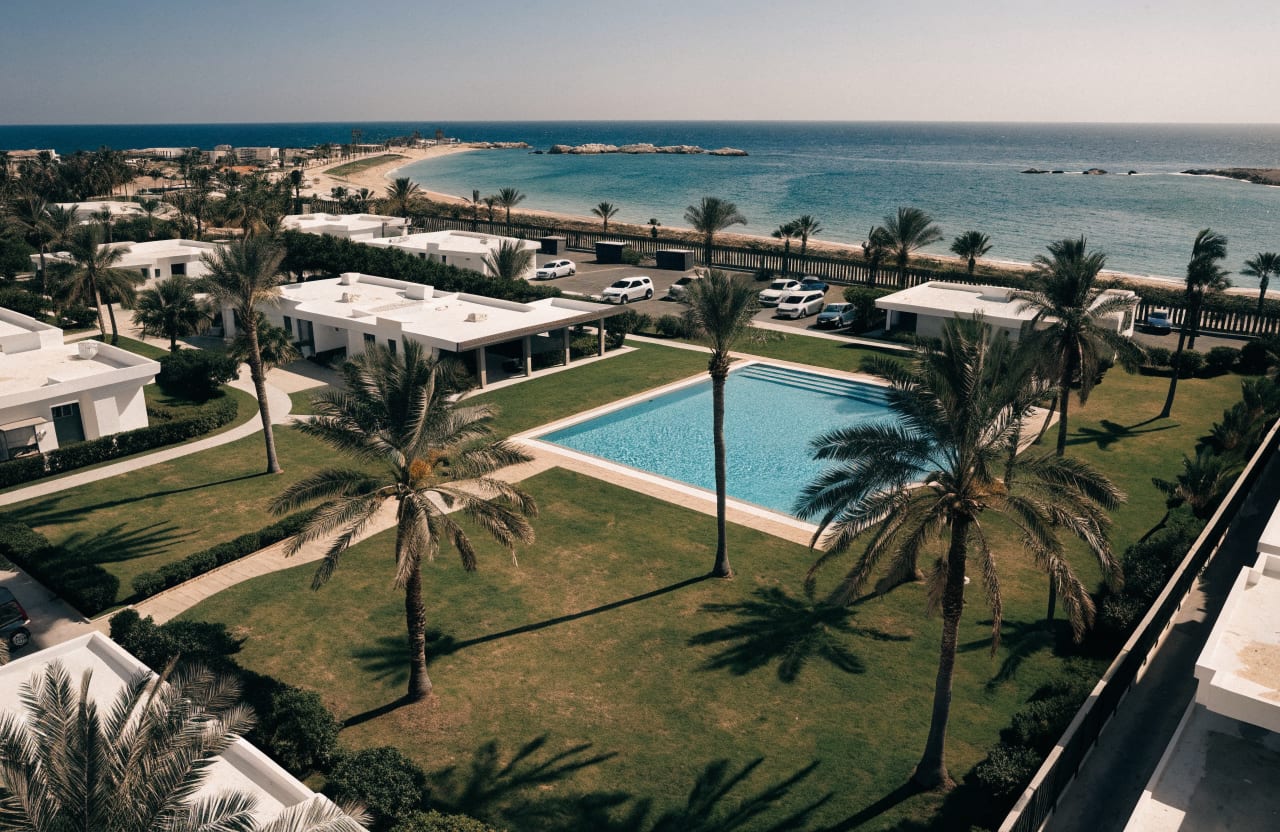
'Furnished' in Sharm means anything from a full kit to three pieces and the curtains. What usually stays, when furniture is a plus and when an overpayment, how to value it when negotiating and how to draw up the inventory so there is no dispute at handover.

What affects the price of a flat in Sharm: the multipliers that pull two similar flats apart
Square metres are not the main multiplier. Water and view, area and buyer, the building and its management, the service charge as price over time, readiness, floor and documents: the mechanics of price without figures, and how to read the real premium in the catalogue.
Flat handover in Sharm El Sheikh: what to check, how to record it and why not to hurry
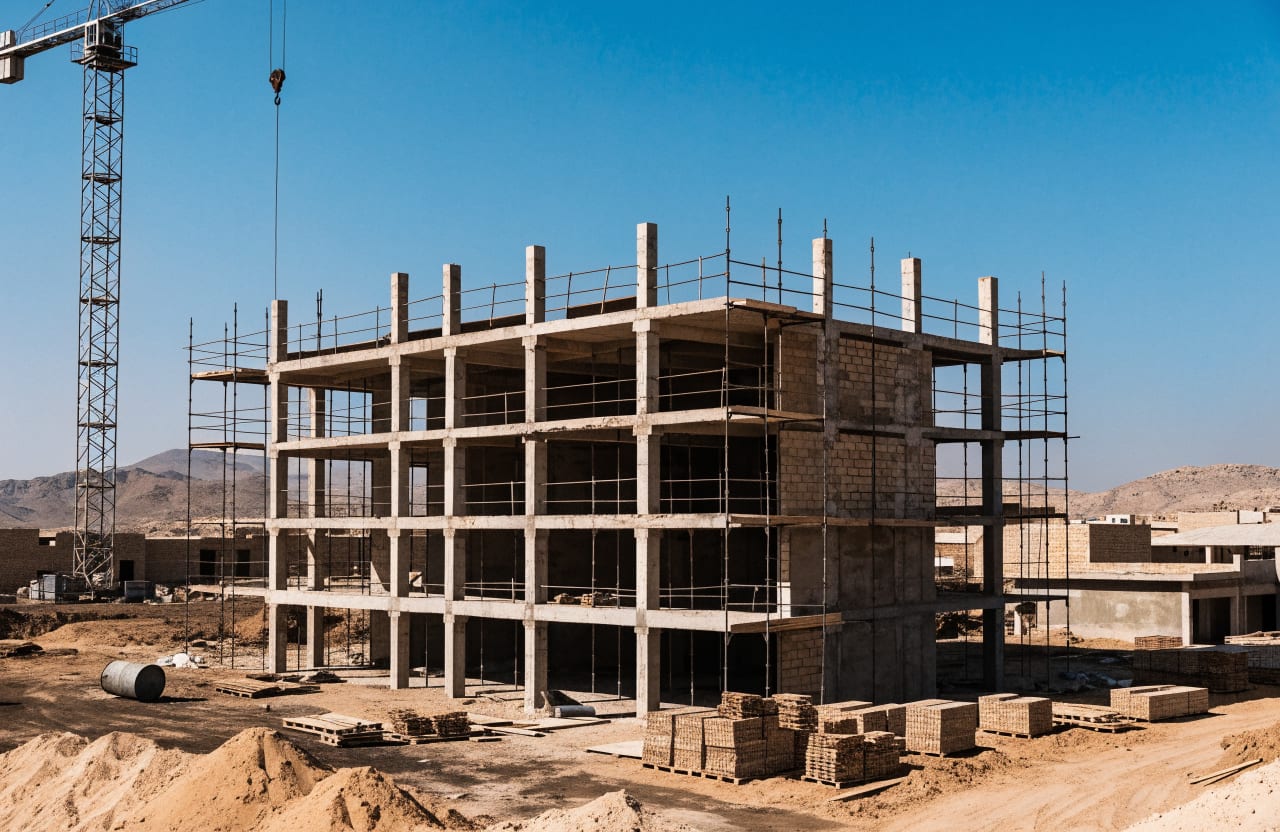
After handover the defects are your concern and your money. What to bring, what must be checked — water, electricity, air-conditioning, windows, terrace, area, common areas — how to record defects, what to do afterwards and how to accept remotely.