How to check a developer in Sharm El Sheikh: finished buildings, residents, timelines and documents instead of a brochure
Buying off-plan means buying a promise. How to judge who makes it: what to look at in delivered complexes, what to ask residents, how to read the history of delivery dates, what to look for in open sources, which signs should stop you — and what our directory says about the level of checking.
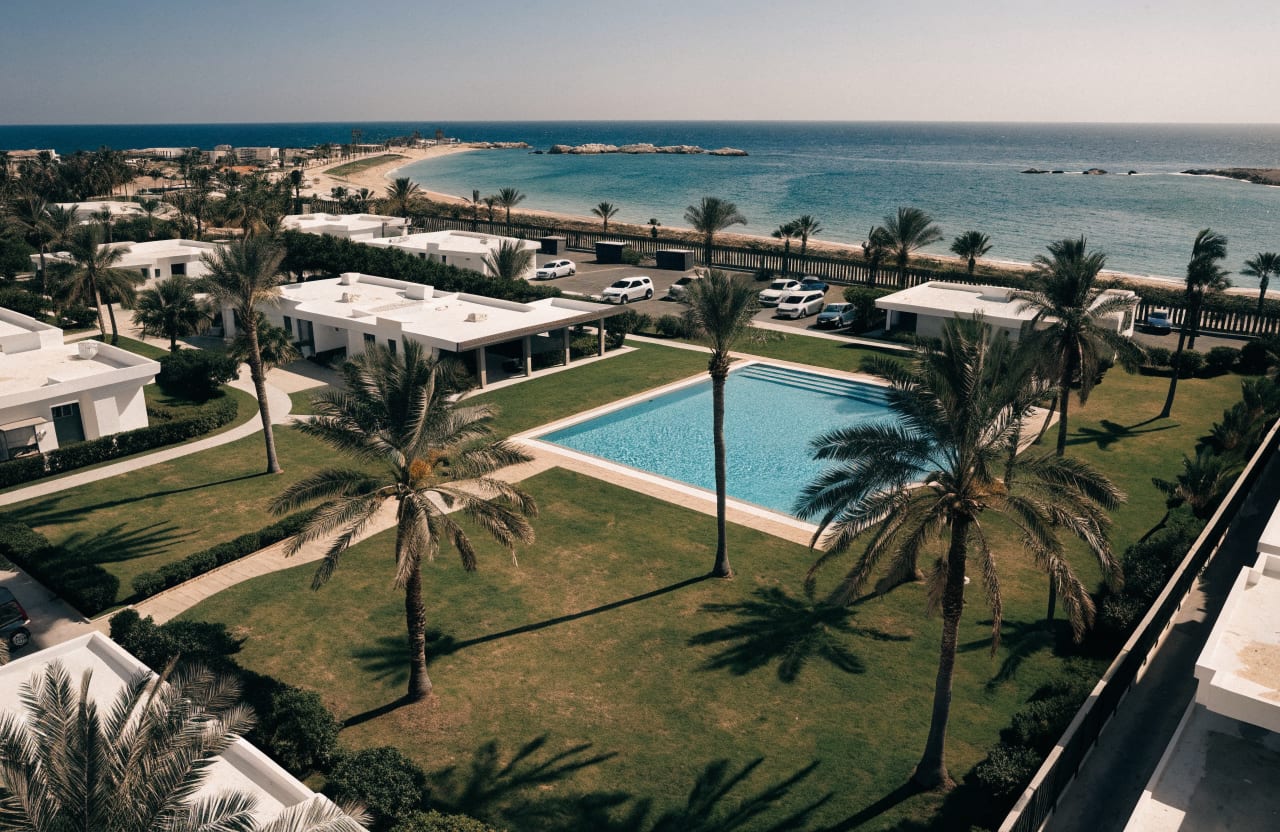
Buying off-plan means buying not a building but a promise to build one — on time, to the stated quality and with the documents that will give you title. The promise is made by the developer, and their reliability is the deal's main risk factor, more than the price or the layout. Renders, the sales office and the brochure say little about a developer: everyone's are handsome. Delivered buildings, the people living in them, the history of delivery dates and open records say a lot. Below is a checking routine you can complete in a few days in Sharm, partly from home.
Step 1. Look at what is finished, not at what is coming
Visit this developer's previous complexes — not on a tour with the manager, but on your own, by day and in the evening. Is the complex finished throughout, or are some blocks empty or unfinished? Do the pools and lifts work? How does the façade look a few years after handover: cracks, efflorescence, rusted outdoor units, peeling render — the quality of materials shows better on an old building than on samples in an office. Are the grounds tended — that speaks of the developer and of whom they left in charge.
If the developer is new and has no delivered buildings, that is not a verdict, but it is a different level of risk and the price should reflect it. Ask who stands behind them: a parent company, partners, a contractor with a record.
Step 2. Ask the residents
People already living in the developer's buildings are the one source that sells you nothing. Ask them: how late the handover was against the contract; what had to be redone after acceptance and at whose cost; whether what was built matches what the project promised (height, area, facilities, beach); who maintains the grounds now and whether the service charge is rising; how the developer responded to complaints. Residents can be found on the spot, in community chats and on forums; ten minutes by the pool are worth an hour in a sales office.
Step 3. Read the history of delivery dates
A late handover is normal in this market; the question is how late and how the developer communicated it. Collect for past projects: the date stated in the contract, the actual handover, whether there was compensation. The difference between 'a quarter late and told in advance' and 'three years late in silence' is the difference between planning and risk. If there is no information, ask the developer directly and in writing: an honest answer about past delays speaks in their favour.
Step 4. Open sources
- The developer's site: a portfolio of delivered projects with years, not only 'for sale'.
- Maps and satellite imagery: does the complex stand where claimed, since when, how do the grounds look.
- News and trade portals: mentions of delays, disputes, changes of ownership.
- Owners' reviews on letting platforms and in communities — about the building and its management, not the flat.
- The Dommare directory: each developer's projects in town, sourced facts and the level of checking.
Step 5. Documents go to a lawyer
Title to the land, building permits, the form of contract, the order of payment and handover are legal matters checked by a lawyer, not by the buyer or the sales manager. This article makes no legal claims: what exactly to request and what should alarm you is covered in the article on checks before a deposit, and that list is worked through with a local lawyer unconnected to the developer.
Signs that should stop you
- The developer will not name delivered projects or give their addresses.
- Past projects were handed over years late or are partly unfinished.
- Residents speak of fixes at their own cost and unanswered complaints.
- Pressure — 'the price rises tomorrow', a discount only for a deposit today.
- Reluctance to hand the contract to a lawyer before money changes hands.
- A gap between what the project shows and what was built in past complexes.
What we show on our side
In the Dommare directory every developer carries a level of checking: 'not assessed', 'documents reviewed' or 'verified'. That describes the state of our checks — it is not a quality judgement and not a rating; we publish no ratings and no claims without a source. Every figure about a project (site, units, year) comes with where it was taken from; where sources disagree, we say so plainly.
Najczęstsze pytania
How do I check a developer in Sharm El Sheikh?
Visit their delivered complexes and look at the state, talk to residents about dates and fixes, collect the history of delays on past projects, check open sources and hand the documents to a local lawyer.
What should I ask residents of their buildings?
How late the handover was, what was redone after acceptance and at whose cost, whether the built matched the promised, who maintains the grounds and whether the charge rises, how complaints were handled.
Is a late handover normal?
Delays are common in this market; what matters is the size and the honesty of the communication. A quarter with warning and years of silence are different risks.
Can I buy from a new developer with no delivered buildings?
You can, but it is a different level of risk and the price should reflect it. Find out who stands behind the company: parent structure, partners, a contractor with a record.
What does the developer's level of checking in the Dommare directory mean?
The state of our checks: not assessed, documents reviewed or verified. It is not a quality judgement and not a rating.
Does the agency check the developer's documents?
Title to the land, permits and the contract are checked by an independent local lawyer. We help gather the documents and the factual history; the legal conclusions are the lawyer's.
Furnished or unfurnished: what really stays in the flat and what it is worth
'Furnished' in Sharm means anything from a full kit to three pieces and the curtains. What usually stays, when furniture is a plus and when an overpayment, how to value it when negotiating and how to draw up the inventory so there is no dispute at handover.

What affects the price of a flat in Sharm: the multipliers that pull two similar flats apart
Square metres are not the main multiplier. Water and view, area and buyer, the building and its management, the service charge as price over time, readiness, floor and documents: the mechanics of price without figures, and how to read the real premium in the catalogue.
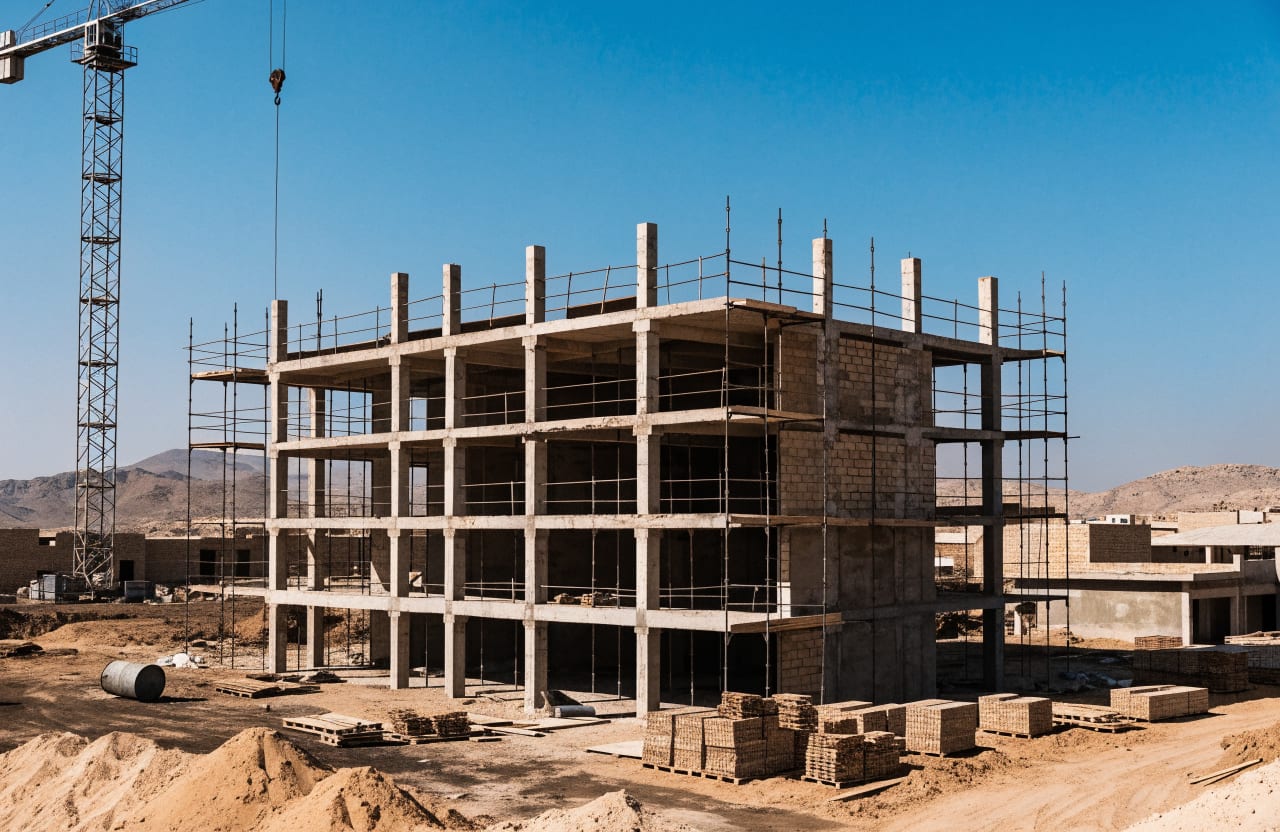
Flat handover in Sharm El Sheikh: what to check, how to record it and why not to hurry
After handover the defects are your concern and your money. What to bring, what must be checked — water, electricity, air-conditioning, windows, terrace, area, common areas — how to record defects, what to do afterwards and how to accept remotely.