The real cost of buying: which fees exist and who pays them
The price on the listing is one line of several. This is the full set of cost lines a purchase in Egypt can carry, what makes each one move, and where the actual figure for your case comes from.

Why the cost of buying property in Egypt is not one number
The cost of buying property in Egypt is not one number, and any article that gives you one is guessing. Fees differ by unit, by seller, by the form of documentation involved, by who your lawyer is and by how your money travels. What is stable is the list of lines that can appear and the logic behind each of them.
Dommare is built on the rule that a public number carries a source. An editorial page cannot carry one, so this guide explains the mechanism and hands the arithmetic to the True Cost calculator, which computes from an approved rule set, or to an advisor who can quote for your specific unit.
The cost lines that can appear
- Agency fee — for the brokerage side of the transaction; the basis and the paying party should be stated in writing before you commit.
- Legal fee — for an independent lawyer to read the documents, advise on the position and act through the closing steps.
- Translation and legalisation — for your own documents and for contract material, generally priced per document.
- Registration or validation costs — the official costs of the route that applies to your unit, which depend on that route.
- Developer transfer or administration charge — where a developer levies one for putting a unit or a contract into a new name.
- Utility connection and meter transfers — for electricity, water and, where relevant, gas and internet accounts.
- Compound service charge — running from handover, whether or not you are in the country.
- Currency conversion spread and transfer charges — every hop in the payment chain can take something.
- Furnishing and fit-out — from nothing to a full pack, depending on how the unit is delivered.
- The viewing trip itself — flights, accommodation, transfers, and the time to do the inspection properly.
What makes each line move
An agency fee moves with the basis it is calculated on and with who carries it — sometimes the seller, sometimes the buyer, sometimes shared. Get the basis and the payer in writing rather than inferring them from a conversation.
A legal fee moves with the amount of work the documents require. A unit whose paperwork is clean and complete takes less time than one where the chain has a gap, and the second case is exactly where you want the lawyer to spend the hours.
Registration and validation costs depend on which route applies. Because Egypt operates more than one route, and the buyer does not necessarily choose it, this line is not predictable from the price alone and should be confirmed for your unit before you sign.
Developer charges move with the developer's own schedule and with the stage at which a name changes. Utility connections depend on whether the unit has live accounts or is being connected for the first time. Service charge depends on the compound and on how it assesses units.
The part European buyers underestimate
Two things regularly surprise buyers coming from the EU. The first is that a mortgage from your home bank against an Egyptian property is generally not available, so the purchase is funded from capital or from a facility secured on something else. That changes the shape of the budget rather than one line in it.
The second is conversion. Money leaving a euro or sterling account and arriving in a transaction denominated in another currency passes through a spread and one or more charges. It is not a headline cost, and it is not nothing. Ask where the conversion happens and who sets the rate at that point.
Add the trip. A viewing trip is a real cost of buying, and doing it once properly is cheaper than doing it twice because the first visit was rushed.
How to read a quoted all-in figure
If someone quotes you a single all-in number, ask for it broken into the lines above, with each line named, each basis stated and each payer identified. A figure that cannot be broken down is a figure you cannot check, and the difference usually sits in the lines nobody mentioned.
Where the figure comes from on Dommare
On a property page, the True Cost calculator assembles the acquisition total from a rule set that has been approved rather than from a default someone typed in. Each line arrives with its source, and estimates are marked as estimates, with the wording and the dashed underline that go with them.
Where a rule set for a line has not been approved yet, the platform does not invent a placeholder. It shows the inputs and tells you the figure is confirmed individually. That is deliberate: an unsourced number that looks authoritative is worse than an honest gap.
What to do next
Pick one unit you are seriously considering and open the True Cost calculator on it. Work through the lines, note which ones the calculator can source and which it cannot, and take that list to a Dommare advisor. You will get a quote for the gaps and a total you can actually check.
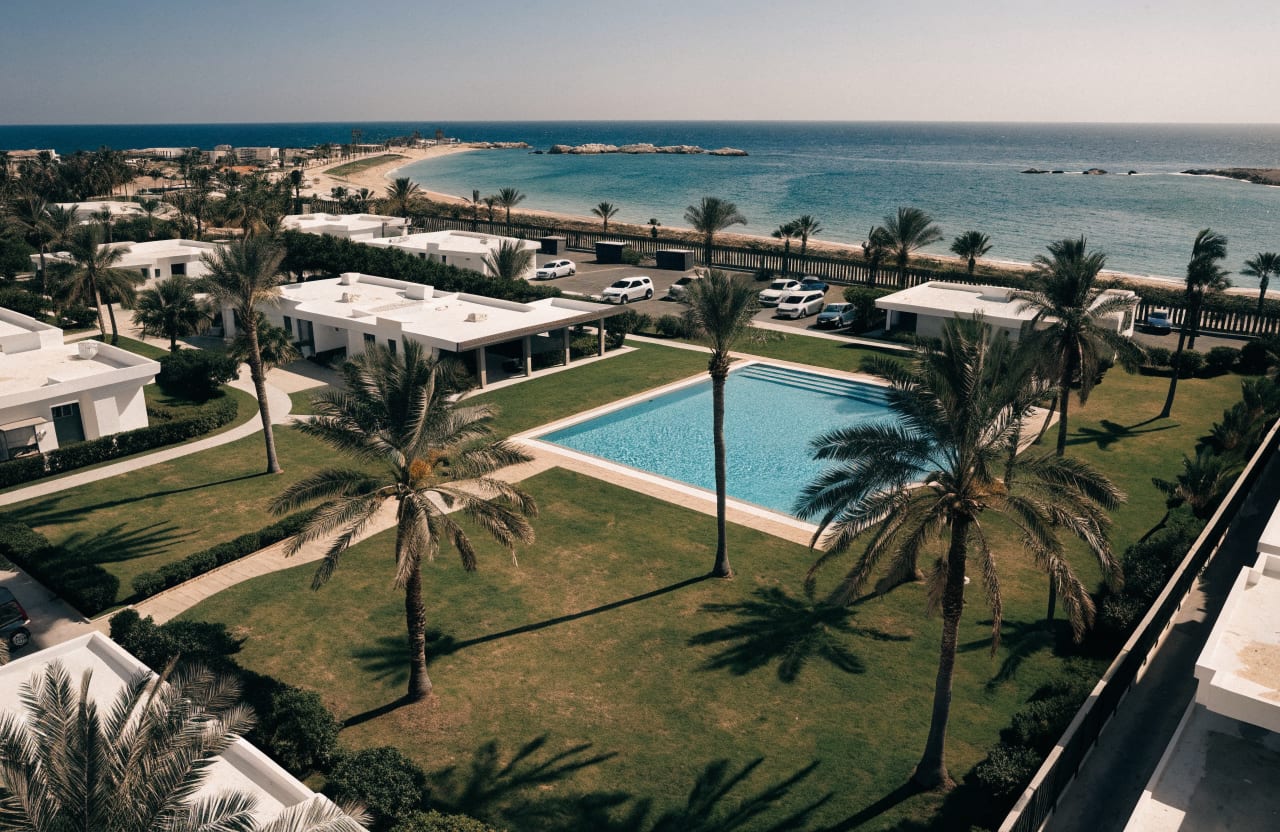
Furnished or unfurnished: what really stays in the flat and what it is worth
'Furnished' in Sharm means anything from a full kit to three pieces and the curtains. What usually stays, when furniture is a plus and when an overpayment, how to value it when negotiating and how to draw up the inventory so there is no dispute at handover.
What affects the price of a flat in Sharm: the multipliers that pull two similar flats apart
Square metres are not the main multiplier. Water and view, area and buyer, the building and its management, the service charge as price over time, readiness, floor and documents: the mechanics of price without figures, and how to read the real premium in the catalogue.
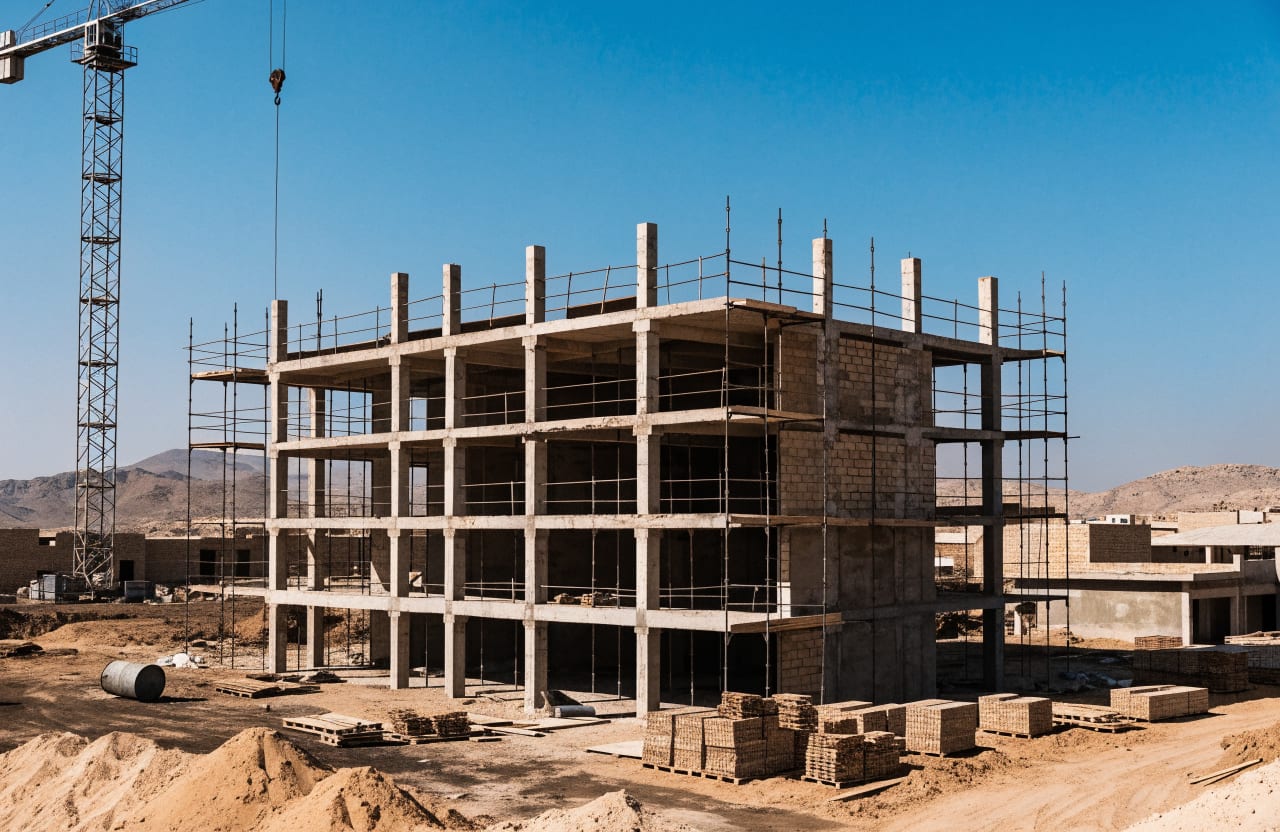
Flat handover in Sharm El Sheikh: what to check, how to record it and why not to hurry
After handover the defects are your concern and your money. What to bring, what must be checked — water, electricity, air-conditioning, windows, terrace, area, common areas — how to record defects, what to do afterwards and how to accept remotely.