The cost of owning a flat in Sharm El Sheikh for a year: service charge, utilities, repairs, management
The price of the flat is the price of entry; then comes the price of ownership. The full list of cost lines — fixed, seasonal, sudden and legal — without invented sums, and a way to get a real figure for each line before the deposit.
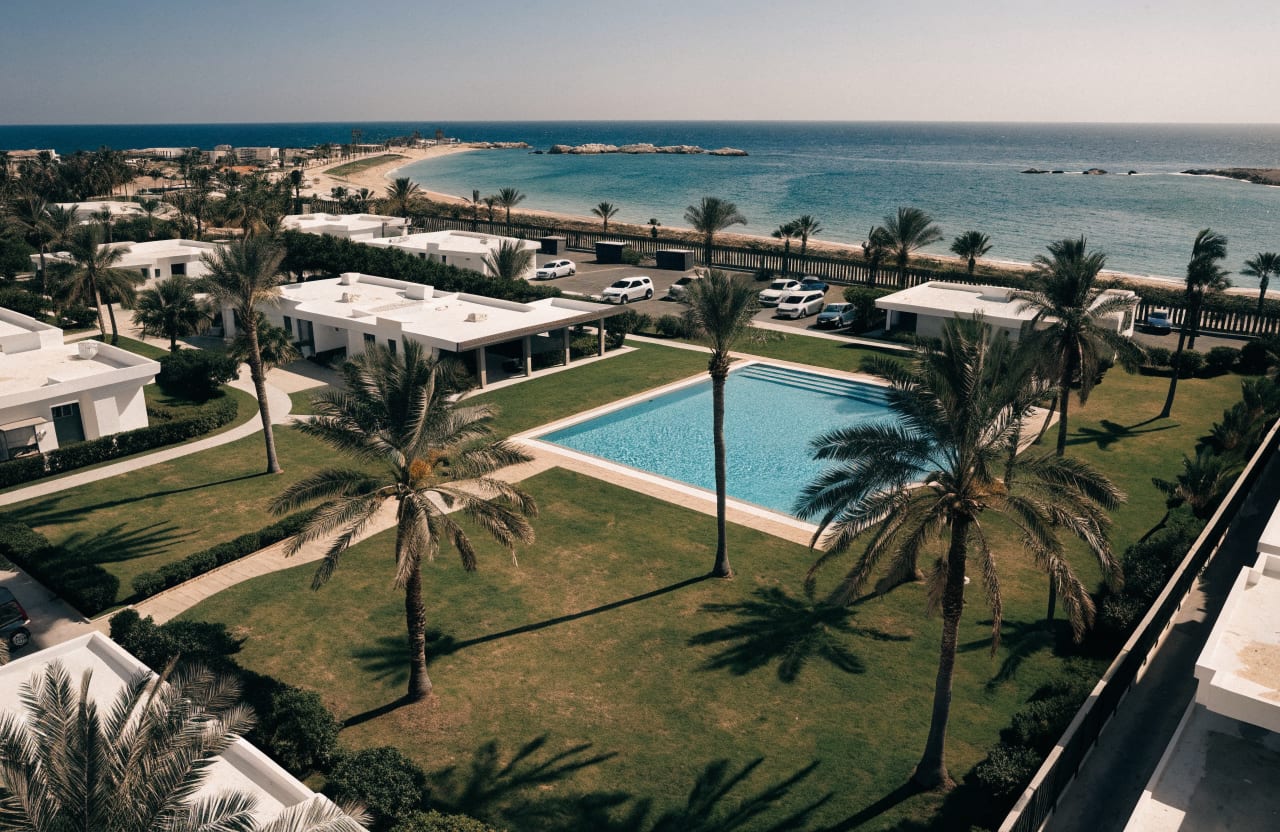
The price of a flat in Sharm El Sheikh is the price of entry. After it comes the price of ownership: the compound's service charge, water and electricity, the air-conditioner that fails in the first summer, a manager if you are away, and the facade repair the owners' meeting votes for. Buyers count the first and rarely the second, yet it is the second that decides whether the flat is still a pleasure in five years. This article is about what an owner's year costs in Sharm — what is fixed, what is seasonal, what is sudden — and how to build your own estimate before buying without believing a single figure you have not seen on a bill.
Fixed costs
The compound service charge
The main line. It maintains the grounds, pools, security, generator, lifts, waste collection, cleaning of common areas, sometimes the beach and the jetty. It is calculated per square metre of the flat or as a fixed sum per unit, paid yearly or quarterly. On Dommare's compound cards the service charge is shown where a source stated it — amount, currency, basis and year; where none did, the field is empty, which is a signal to ask. Establish not only the amount but the formula, what it includes, how often it has been raised and whether the flat carries arrears — they usually travel with it.
Utilities
Electricity is Sharm's main utility cost because of air-conditioning: a summer bill is several times a winter one. Water is desalinated and metered; in some compounds it is inside the charge. Gas — by cylinder or pipe — is a small line. Internet and television are subscriptions. Ask the seller for twelve months of receipts, not 'on average': an average hides the summer peak.
Management and caretaking
If you do not live here permanently, somebody has to open the flat, air it, pay the bills and meet tradesmen. Caretaking is a fixed fee; full letting management a share of the takings. What management includes and what to put in the contract is a separate article.
Seasonal and periodic
- Air-conditioning service — filters and units cleaned at least twice a year; in sea air the outdoor units rust, and replacement every few years is the norm, not the exception.
- Painting and sealing — walls on the sunny side, terraces, window joints: salt and ultraviolet demand renewal more often than in a temperate climate.
- Water-tank cleaning — in buildings with their own tank, yearly or more often.
- Small repairs after a letting season — taps, locks, mattresses, terrace furniture.
- Pest control — regularly in the warm months, especially on lower floors and by gardens.
Sudden
An air-conditioner failing in July is an almost inevitable cost of the first summer of ownership. A leak from the neighbour above or from the terrace. Replacing the water heater or the pump. And the largest of the sudden ones — a special levy by the compound: the owners' meeting decides to repaint the facades, replace the generator or repair the pool, and the sum is divided among the owners. In older compounds it happens more often; ask the management whether such levies were raised in the last five years and whether any are planned.
One-off and legal
The costs of registration, the lawyer, recording the title, and any taxes and fees your status and type of use require are a separate chapter whose wording belongs to a lawyer, not to us. We name only what we see in practice: these lines exist, their size depends on the property and the form of title, and they are counted before buying. The costs at purchase are in our article on the real cost of buying.
The list of cost lines is a summary of Sharm owners' practice and of the data on Dommare's directory cards. The absence of specific sums in the article is deliberate: for every line the seller and the management hold a real figure, and only that one matters.
How to build the estimate before buying
- Ask the seller for 12 months of electricity and water receipts and total the year, not the average.
- Get from the management in writing: the charge, its formula, what it includes, the history of increases, arrears on the flat, special levies over five years and plans.
- Inspect the air-conditioners: age, state of the outdoor units, last service — and budget for replacing one in the first year.
- If you will not live here permanently, get two or three quotes for caretaking or management and compare them by the list of services.
- Add a reserve for the sudden: one major repair a year is a realistic assumption in a seaside climate.
- For letting, subtract cleaning, linen, platforms, the manager's share and vacancy from the expected takings; what remains is your real income, and it must cover everything above.
- Add it up into a yearly sum and compare with the price of the flat: if ten years of upkeep comes to a noticeable share of the price, that is normal for Sharm — but you must know it beforehand.
What makes a flat cheaper to keep
Less area — a smaller charge and fewer air-conditioners. A middle floor, not the top — less heat and no roof leaks. Not right at the water — slower rust and salt. A newer compound with living neighbours — predictable charges and working services; though the new one will also face its first special levy in a few years. A good management company with open accounts is the main saving of all: with one, there are no sudden levies 'for the generator' nobody knew about.
Häufige Fragen
What does it cost to keep a flat in Sharm El Sheikh?
The compound service charge, electricity (mainly summer air-conditioning), water, gas, internet, air-conditioning service, painting and sealing, management or caretaking, sudden repairs and special levies, plus the legal and tax lines that depend on your status.
How much is the service charge in a Sharm compound?
It differs several-fold between neighbouring compounds, so we quote no sum. On Dommare's compound cards the charge is shown where a source stated it, with basis and year; the rest is a statement from the management.
What is the biggest utility cost in Sharm?
Electricity, because of air-conditioning: a summer bill is several times a winter one. Ask for 12 months of receipts, not an average.
What is a compound special levy?
A one-off sum the owners' meeting sets for a major repair — facades, generator, pool. Ask the management whether any were raised in the last five years and whether any are planned.
Do service-charge arrears pass to the new owner?
Under most compound rules, yes. Get a clearance statement from the management before the deposit.
How can I lower the cost of keeping a flat in Sharm?
Less area, a middle floor, not right at the water, a compound with living neighbours and a management company with open accounts. The last matters most: with transparent management there are no sudden levies.
Moving to Egypt with a family: a step-by-step plan — scouting, status, school, money, home
A move is not a holiday that ran long. Seven steps: scouting in the season that worries you, status and documents with a lawyer ahead, the school as the choice of area, three years of income, renting before buying, what to bring and what to buy locally, medicine. And the six mistakes made most often.
Wintering in Sharm El Sheikh: rent or buy
Three to five warm months from November to April — the town's steadiest scenario. How wintering works in practice, when renting is wiser than buying, how to count honestly over the same horizon, and which flat suits living here half the year.
Property management in Sharm El Sheikh: what it really covers
The word 'management' sells anything from a monthly visit to the full cycle of short-term letting. Three formats, who offers them in Sharm, how they are paid for, eight points to put in writing, and how to choose a manager.