Buying property in Egypt as a foreigner: what you can buy, in which form, and how a transaction works
Foreigners have long bought in Egypt in volume, but the honest answer to 'can I' is longer than 'yes'. What is available, why the form of title is not one construction, how a transaction from abroad works, how it differs from what you know and what a purchase does not give by itself.
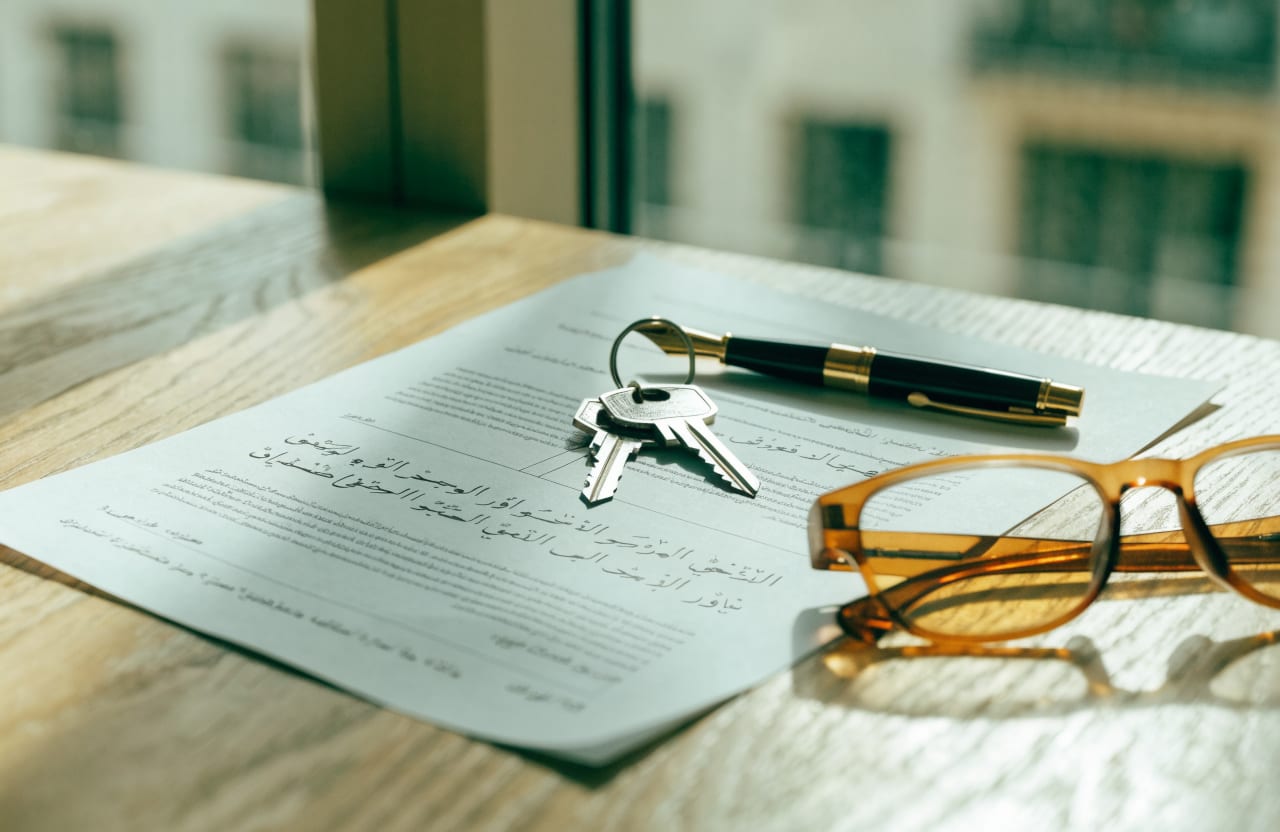
Foreigners have been buying property in Egypt for a long time and in volume — Sharm El Sheikh and Hurghada grew partly on that demand. But 'can a foreigner buy a flat in Egypt' is a question whose honest answer is longer than 'yes'. You can — with provisos about what exactly you receive, in which form, where and through which procedure. This article is a map for the buyer from abroad: which properties are available, how the forms of title differ, how a transaction works and where the boundaries lie beyond which a lawyer's work begins. We describe practice and give no legal opinions: every legal statement here is checked by a lawyer, and until their sign-off the article is hidden from search engines.
What a foreigner most often buys
- Flats and studios in residential compounds and resorts — the mass segment, where most buyers from abroad are.
- Flats in hotel complexes — units in the hotel part under the operator's rules; a separate product with its own limits on living and letting.
- Villas and townhouses inside compound territories — where the land under the house generally stays with the territory.
- Properties under construction on a developer's contract with instalments — here the form of title at the time of purchase matters especially, because the property does not yet exist.
- Commercial premises — rarer and on separate conditions; to the lawyer first.
Where a foreigner should look more carefully: land as such, and houses on separate plots outside compounds — the conditions of land ownership for foreigners in Egypt are arranged differently and depend on the category of land and the location. That is not a prohibition but a reason to start with a lawyer rather than a listing.
Forms of title: why it is not one construction
Several different forms of contract and title documentation exist in Egypt, and they are not equivalent. A registered title is a right entered on an official record; a court-validated contract is confirmation of the agreement between the parties, which is not the same as registration; a registered sale contract sits between the two. Registration has historically not been universal, so a unit without one is not automatically irregular — but the difference matters and should be understood rather than glossed over. What exactly ends up in your hands is decided before signing, not after. The forms in detail are in our article on ownership and title documents.
For a foreigner, add the question of limits: how many properties, of what area, in which places and on what conditions a non-resident may acquire. Those conditions are set by the state, administered locally and have changed over time. That is why this article has no figures or lists: the conditions current on the date of your transaction are stated by a lawyer and become part of the property check, not general knowledge from the internet.
How a transaction works for a buyer from abroad
- Choosing the property and checking the seller's documents — before the reservation, not after. What to ask to see and in what order is a separate article.
- Reservation — takes the lot off the market for a period; it is not a purchase. Written terms, the payee and the refund procedure before any transfer.
- The contract — the main step. Parties, property, price and currency, schedule, handover, consequences of default. You commission the translation yourself; documents from your own country usually need translation and legalisation, which takes time.
- Payment by schedule — rarely one transfer; every payment in the contract has a basis. The payer's name matches the buyer's.
- Registration or validation of the contract — depending on the chosen form; this is the step that decides what you hold.
- Handover and the first months — the act, defects, keys, the service charge that usually starts to run from handover.
A purchase can be completed remotely through a representative under a power of attorney — a large share of foreigners' transactions close that way. The power of attorney is drawn up before a notary and legalised for use abroad; the procedure depends on the country. Step by step in our article on buying remotely.
How a transaction in Egypt differs from what you know
- No notary in the European sense who holds client funds and carries responsibility for the transfer of title. That role is split between the lawyer, the bank and the registration procedure itself — and that must be understood before the first payment.
- Several forms of contract and title — what is one construction in your country is a choice here.
- The contract is in Arabic — you work with your own translation.
- Payments from abroad — a chain of banks, conversion, confirmations; the route is planned in advance.
- Timing — 'tomorrow' means 'soon'; allow for the legalisation of documents and for registration.
What a purchase does not give by itself
Entry permission and the right to remain in the country are administered separately from the ownership of an asset in it: buying a flat does not by itself settle your immigration position. Egypt has over time operated arrangements under which property ownership can support an application for a longer stay, but the conditions are set by the authorities and change. That is a separate article on residency and long stays. A purchase also does not cancel your tax obligations in your own country — a question for your tax adviser at home.
Who takes part and what Dommare does
A lawyer — yours, not the seller's: reads the documents, checks the form of title, accompanies registration. The developer or seller. The bank. A translator. Dommare — checks the property against the Passport criteria and shows the state of each check, gathers the seller's documents on the card, arranges the viewing and the transaction, accompanies you to the keys. We give no legal opinions and do not replace the lawyer — we make sure the lawyer has something to check.
Frequently asked questions
Can a foreigner buy a flat in Egypt?
Yes; foreigners have long bought flats in Sharm and Hurghada in volume. The conditions — how many, where and in which form of title — are set by the state and checked by your lawyer for the specific property; they have changed over time.
Does a foreigner get ownership or a right of use?
It depends on the form: a registered title, a court-validated contract and a registered contract are not equivalent. What exactly you will hold is decided before signing, with a lawyer.
Can a foreigner buy land in Egypt?
The conditions of land ownership for foreigners are arranged differently from flats and depend on the land category and location. That is a reason to start with a lawyer, not a listing.
Do I need to come to Egypt to buy?
Not necessarily: a large share of transactions close through a representative under a power of attorney. It is drawn up before a notary and legalised; the procedure depends on the country.
Does buying property give residency in Egypt?
Not by itself: entry and stay are administered separately. Arrangements have existed at various times where ownership supports an application for a longer stay; the authorities set and change the conditions.
How does a transaction in Egypt differ from a European one?
No notary holding funds and answering for the transfer of title; several forms of contract and title; a contract in Arabic; payments from abroad through a chain. Hence your own lawyer before the first payment.

Which documents to ask a property seller for in Egypt — and in what order
Documents before money: about the property, the seller and the debts. Why copies are not enough, in what order to ask, what changes when a representative signs, how it works in the Property Passport and which answers from a seller are a red flag.
How to buy a flat in Egypt from Russia in 2026: step by step, money, documents
The law is the same for every foreigner, but a buyer from Russia has logistics of their own: money through a chain of banks, document legalisation, a power of attorney instead of a second flight, a contract in Arabic. Eight steps from decision to keys and the list of what breaks most often.
Property ownership in Egypt: what the title documents mean
When a seller says the papers are in order, ask which papers. Egypt has several forms of ownership and contract documentation, and they give a buyer different positions.