Wintering in Sharm El Sheikh: rent or buy
Three to five warm months from November to April — the town's steadiest scenario. How wintering works in practice, when renting is wiser than buying, how to count honestly over the same horizon, and which flat suits living here half the year.
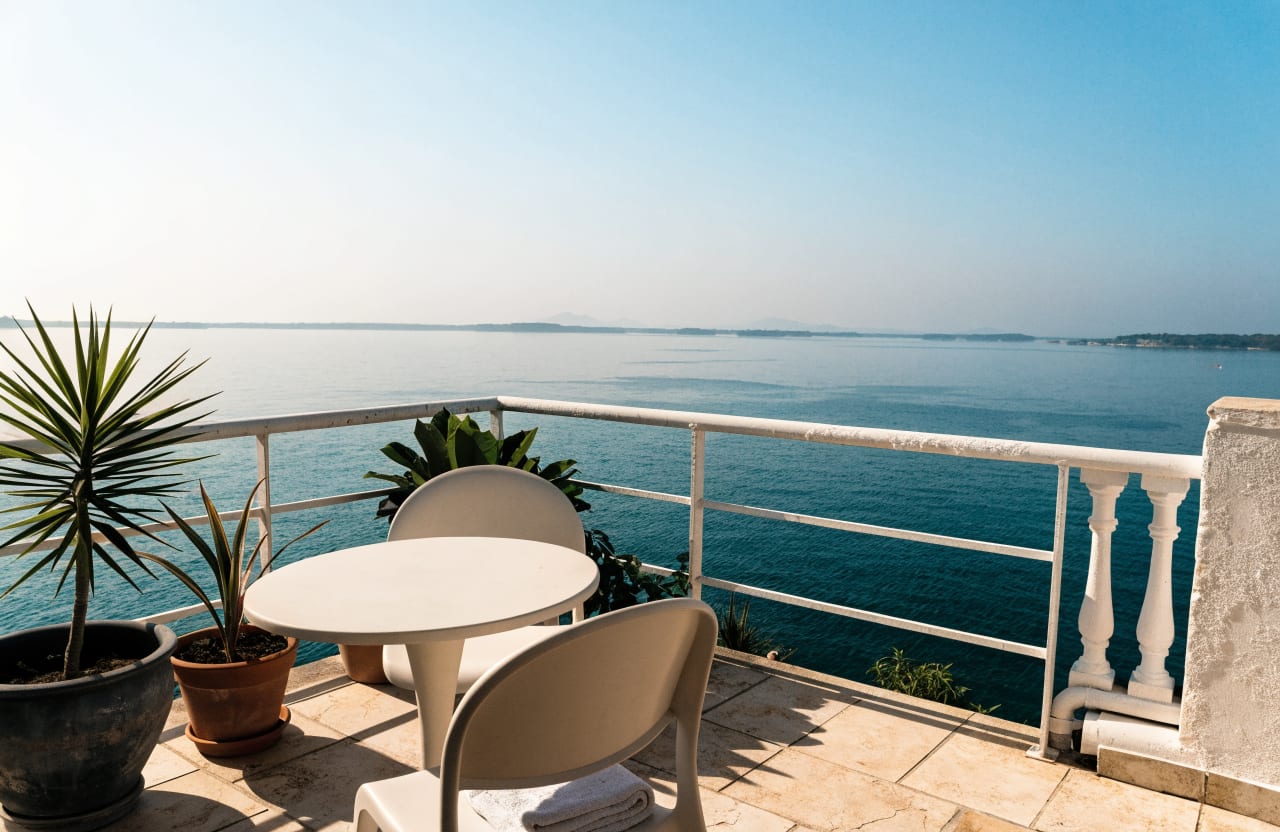
Wintering in Sharm El Sheikh means three to five months from November to April, when it is cold and dark at home and twenty degrees and the sea here. It is one of the town's steadiest scenarios: winter residents come every year, stay long, spend calmly and keep demand for long lets going out of season. For many of them, by the third or fourth winter the question arises: keep renting or buy? This article is about how wintering in Sharm works in practice, when renting is wiser than buying and the other way round, how to count honestly, and what to check in a flat you will live in for half a year rather than a week.
What wintering in Sharm is in practice
From November to March the days are warm and the evenings cool — a jumper is needed, swimming is brisk but possible all season; by April it is hot. The town lives evenly at that time: fewer tourists than in summer, permanent residents in place, shops and clinics on their normal hours. For a winter resident something else matters more: the wind. It is stronger in winter, especially on Nabq's open shore and on the cliffs, and a flat with a terrace on the windward side lives differently from a flat in the courtyard. Buildings have no heating — air-conditioners on heat mode do the job, and they are needed in the evenings. Daily life, medicine and community are in our article on living in Sharm.
Renting for the winter: how it works
A long let of three to six months out of season is common practice; the monthly price is well below nightly rates, and owners let willingly for the winter so the flat does not stand empty. Contract, deposit, utilities on top or included — all discussed and put in writing. Pluses: no obligations beyond the season, a different area each year to try, no thought of repairs, service charge or summer caretaking. Minuses: a new search every autumn, someone else's furniture and rules, limits on guests and pets, rising prices in good years, and the risk that the flat you liked is sold or let to others.
Buying for wintering: what changes
Your own flat means your own things, your own bed and mattress, your own pans and neighbours you know by name. Arrival without suitcases of household goods and without a search. That is the main argument, and it is not about money. But a flat lived in for five months a year stands empty for seven — in a seaside climate where an empty flat ages faster than a lived-in one. So it needs caretaking or a manager, a service charge all year round, and air-conditioners that are working when you arrive in October. And in summer it is either let, which needs a manager and a tolerance for guests among your things, or kept empty, which costs money.
How to count honestly
- The cost of a winter renting: monthly price × months + utilities + deposit losses + a flight to search, if you look in advance. Multiply by the winters you are sure of.
- The cost of a winter in your own flat: a year's service charge, a year's utilities (summer bills without you are small but not nil), seven months of caretaking, air-conditioning service, a repair reserve, the purchase costs spread over the years.
- Income from summer letting, if planned — net of manager, cleaning, wear and vacancy. Without it, count zero: conservative and honest.
- The money tied up in the flat — what it would earn otherwise. The ownership cost most often forgotten.
- Liquidity: could you sell within a reasonable time if plans change? A flat in a living Hadaba compound sells faster than a villa deep in Nabq.
- Compare the two sums over the same horizon — five, seven, ten winters. Dommare's true-cost calculator does this from your figures; it promises no return, it counts.
There are no rental or purchase prices in this article: they move by season and year. Current purchase prices are in the catalogue with a source on every figure; winter rents come from owners and managers on the date of your enquiry.
Which flat suits wintering
- An area with year-round life: Hadaba, Montazah, the heights above Naama Bay — shops and clinics near, neighbours in place. Nabq if you have a car and want space.
- The sunny side and shelter from the north wind: in winter this matters more than the view. A terrace facing south or west, not open north.
- Air-conditioners with heat mode in bedroom and living room — check that they heat, not only cool.
- Hot water: the heater, its capacity and age — winter showers are longer.
- A living compound: in winter you see it at once — lit windows, people by the pool, a working generator and security.
- Walking distance: groceries, pharmacy, cafe, the sea — without a car, because for five months you would have to rent or buy one.
- A middle floor in a building with a lift, or second or third without one: winter residents do not get younger.
The hybrid route
Many come to buying through renting: two or three winters in different areas, then a purchase where they settled. It is the most reliable way not to get the area wrong, because no article replaces a winter lived in Hadaba and a winter lived in Nabq. If you decide to buy, do it in spring, at the end of your winter, when the town is familiar — not in summer by video. And before any deposit — our articles on the real cost of buying and on the owner's year.
Frequently asked questions
What is the weather like in Sharm El Sheikh in winter?
From November to March the days are warm and the evenings cool; swimming is possible all season; by April it is hot. The wind is stronger in winter, especially on the open shore. Buildings have no heating — air-conditioners heat.
Is renting or buying better for wintering?
It depends on the horizon: for two or three winters, rent; for five or more in one town, do the sums on buying, counting the service charge, caretaking, repairs and the cost of the money tied up. Dommare's calculator counts from your figures.
Is it easy to rent a flat in Sharm for the winter?
A long let of three to six months out of season is common practice, and owners let willingly for the winter. Put the contract, deposit and utilities in writing.
Which area is best for wintering?
One with year-round life and everything on foot: Hadaba, Montazah, the heights above Naama Bay. Nabq with a car. The best way to choose is to spend a rented winter in different areas.
What should I check in a flat for wintering?
The sunny side and shelter from the north wind, air-conditioners with heat mode, the water heater, a living compound in winter, walking distance to shops and the sea, the floor and the lift.
What do I do with the flat in summer?
Either let it through a manager or keep it empty under caretaking. An empty flat in a seaside climate ages faster — caretaking is needed either way.
Moving to Egypt with a family: a step-by-step plan — scouting, status, school, money, home
A move is not a holiday that ran long. Seven steps: scouting in the season that worries you, status and documents with a lawyer ahead, the school as the choice of area, three years of income, renting before buying, what to bring and what to buy locally, medicine. And the six mistakes made most often.
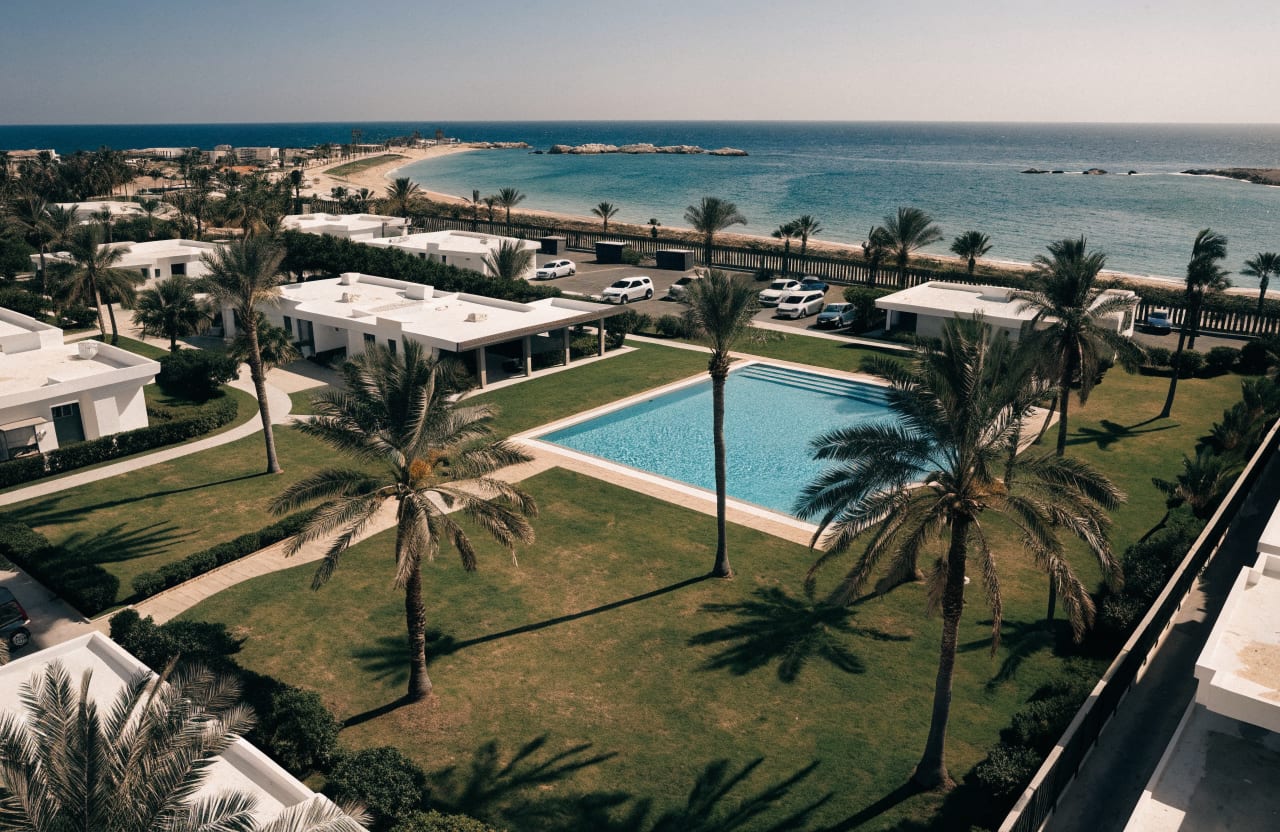
The cost of owning a flat in Sharm El Sheikh for a year: service charge, utilities, repairs, management
The price of the flat is the price of entry; then comes the price of ownership. The full list of cost lines — fixed, seasonal, sudden and legal — without invented sums, and a way to get a real figure for each line before the deposit.
Property management in Sharm El Sheikh: what it really covers
The word 'management' sells anything from a monthly visit to the full cycle of short-term letting. Three formats, who offers them in Sharm, how they are paid for, eight points to put in writing, and how to choose a manager.