Frequently asked questions about buying property in Sharm El Sheikh
Short answers to the questions buyers ask first — what you are actually buying, how you pay, whether you need to be there, and what the platform will and will not tell you.
These are the questions buyers ask in the first conversation about buying property in Sharm El Sheikh. Answers are deliberately short; where there is a fuller article, it is named.
Can a foreign buyer purchase property in Egypt?
Foreign buyers do purchase property in Egypt, and this is common in Sharm El Sheikh. The rules applying to foreign buyers are set by Egyptian law and administered locally, and they have changed over time, so what applies to your purchase is confirmed by a lawyer for your case rather than taken from a guide.
What am I actually getting when buying property in Sharm El Sheikh?
That depends on the documentation. Several different forms of ownership and contract documentation exist in Egypt and they are not equivalent to one another. Establish which one applies to your unit before you pay anything. Our guide on forms of ownership and title documents sets out what each document answers.
What does the whole process involve?
In outline: choose and reserve, sign a contract, pay against a schedule, then register or validate, then take handover. Handover of keys and completion of paperwork are separate events. The step-by-step guide walks through each stage and who does what.
What does it cost in total, and why is there no number here?
Because a public number on Dommare carries a source, and an article cannot carry one. The cost lines that exist are listed in our guide on the real cost of buying. For an actual figure, run the True Cost calculator on a specific unit; where a line has no approved rule set behind it, the calculator shows the inputs and refers you to an advisor rather than inventing a default.
How do I pay, and in what currency?
Payments are normally staged against the contract rather than made in one transfer. The currency is set in the contract, and the original price and currency are kept as they are — any conversion you see on the platform is computed from published rates with the provider and timestamp shown alongside. Confirm account details through a channel you initiated yourself, and make sure the payer name matches the buyer name on the contract.
Do I need to be in Egypt?
Not for most of it. Shortlisting, document review and negotiation work remotely, and a purchase can be completed by a representative acting under a power of attorney. Some things are worth doing in person, and the remote-buying guide explains which and how to arrange the rest.
Can I get a mortgage?
A mortgage from a European bank secured against an Egyptian property is generally not available, so purchases are typically funded from capital or from borrowing secured elsewhere. If financing is central to your plan, resolve it before you shortlist.
What is the Property Passport, and what does a tick mean?
It is a record of states, one per check on a listing: not provided, received, under review, reviewed, verified, requires clarification, expired, or not applicable. It is not a score. A tick appears only when an active, versioned criteria set has been fully met, and the version is shown. Where no active criteria set exists, no tick appears.
Do you publish the actual legal documents?
No. Raw legal and identity documents are not made public. What is public is the state of each check, so you can see what has been supplied and reviewed without anyone's private documents being exposed.
What is a compound service charge?
A recurring contribution towards running the shared parts of the development — security, landscaping, pools, common-area utilities, cleaning, management and, where one exists, a reserve fund. It generally starts from handover and continues whether or not you are there. The dedicated article covers how it is assessed and what to ask before you buy.
Can I rent it out?
Often, but not automatically. Letting activity may be subject to registration requirements, to permission from the compound or the developer, and to local tax obligations, and these are confirmed for the specific unit rather than assumed. Ask whether the compound permits short letting before you buy for that purpose.
What can I expect to earn from letting?
We do not publish a yield figure without a documented sample behind it, and at launch we do not have one for Sharm. Anywhere an estimate appears on the platform it is labelled as an estimate with its source. Investment outputs are not financial advice.
Does buying give me residency?
Ownership and the right to stay are separate questions. Egypt has over time operated arrangements under which property ownership can support an application for a longer stay, and the conditions are set by the authorities, administered locally, and have changed. Take current advice before buying if your plan depends on it.
What happens if a developer is late?
That depends on the contract. Remedies for delay are a matter of the contract terms and Egyptian law rather than of general expectation, so read the completion obligation and any grace period before you sign, and ask your lawyer what those clauses are worth in practice.
Is off-plan riskier than a completed unit?
It is differently risky. With a completed unit you can inspect what you are buying; with off-plan you hold a contractual claim on something that does not exist yet, and your money is exposed for longer. The comparison article sets out where the differences actually sit.
The seller only has photos of the documents. Is that a problem?
It is not a result. A photograph shows that a document exists in some form and little else. Treat it as material for your lawyer, who should work from originals, and do not pay a deposit against images.
Who is my counterparty at Dommare, and can I speak to the owner?
Your enquiry becomes a lead handled by a named Dommare agent, who coordinates viewings and the document trail. Buyers do not contact owners directly: owners see counters and stages, not buyer identities. Direct contact exists only as a per-listing setting managed by our operations team, off by default.
Why do I see fewer numbers here than on other portals?
Because at launch we hide counters below the threshold we would need to source them, and we show unavailable data as unavailable rather than filling it with an estimate. Fewer numbers, each with a source, rather than more numbers of unknown origin.
What is the first thing I should do?
Run a search on Sharm El Sheikh and shortlist two or three units, then open the True Cost calculator on one of them. Bring the shortlist and the cost breakdown to a Dommare advisor — that single step turns a general enquiry into a specific one, and it is where most useful conversations start.
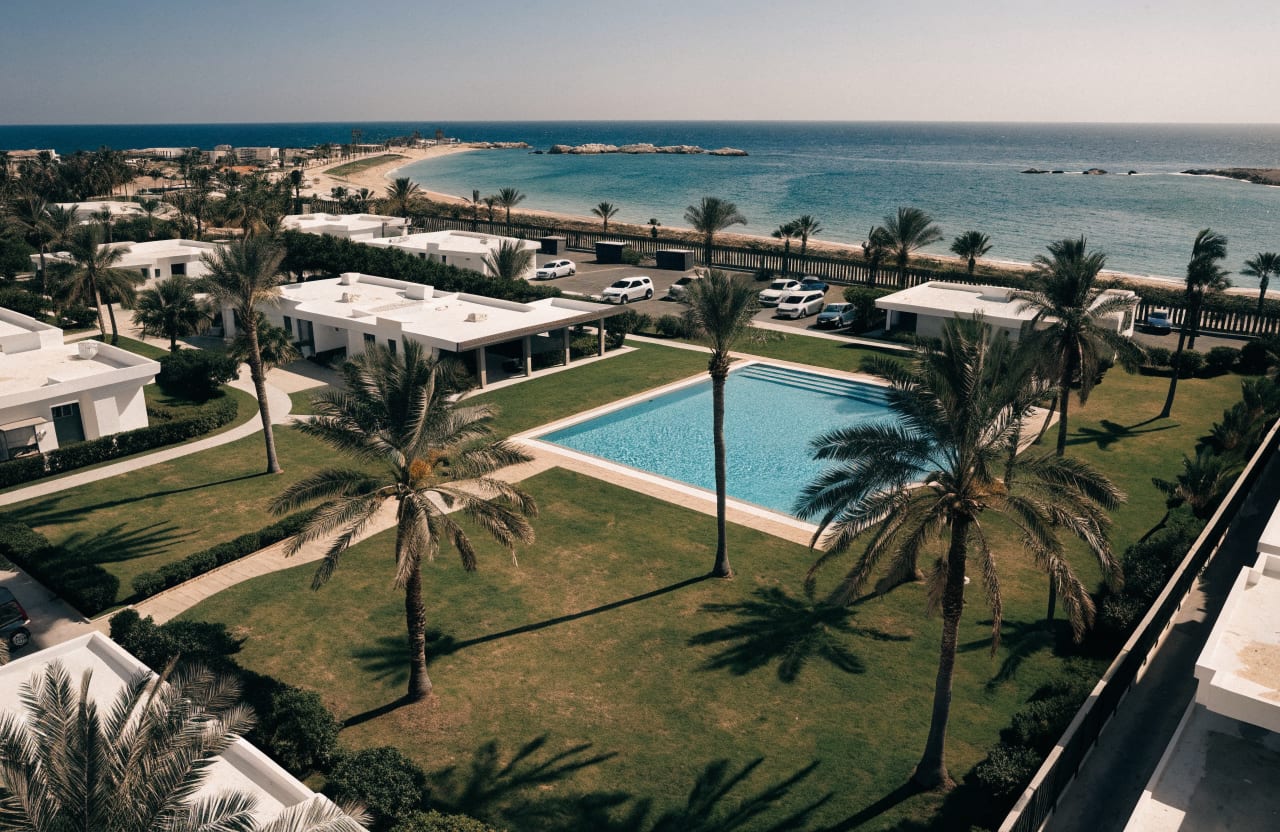
Furnished or unfurnished: what really stays in the flat and what it is worth
'Furnished' in Sharm means anything from a full kit to three pieces and the curtains. What usually stays, when furniture is a plus and when an overpayment, how to value it when negotiating and how to draw up the inventory so there is no dispute at handover.
What affects the price of a flat in Sharm: the multipliers that pull two similar flats apart
Square metres are not the main multiplier. Water and view, area and buyer, the building and its management, the service charge as price over time, readiness, floor and documents: the mechanics of price without figures, and how to read the real premium in the catalogue.
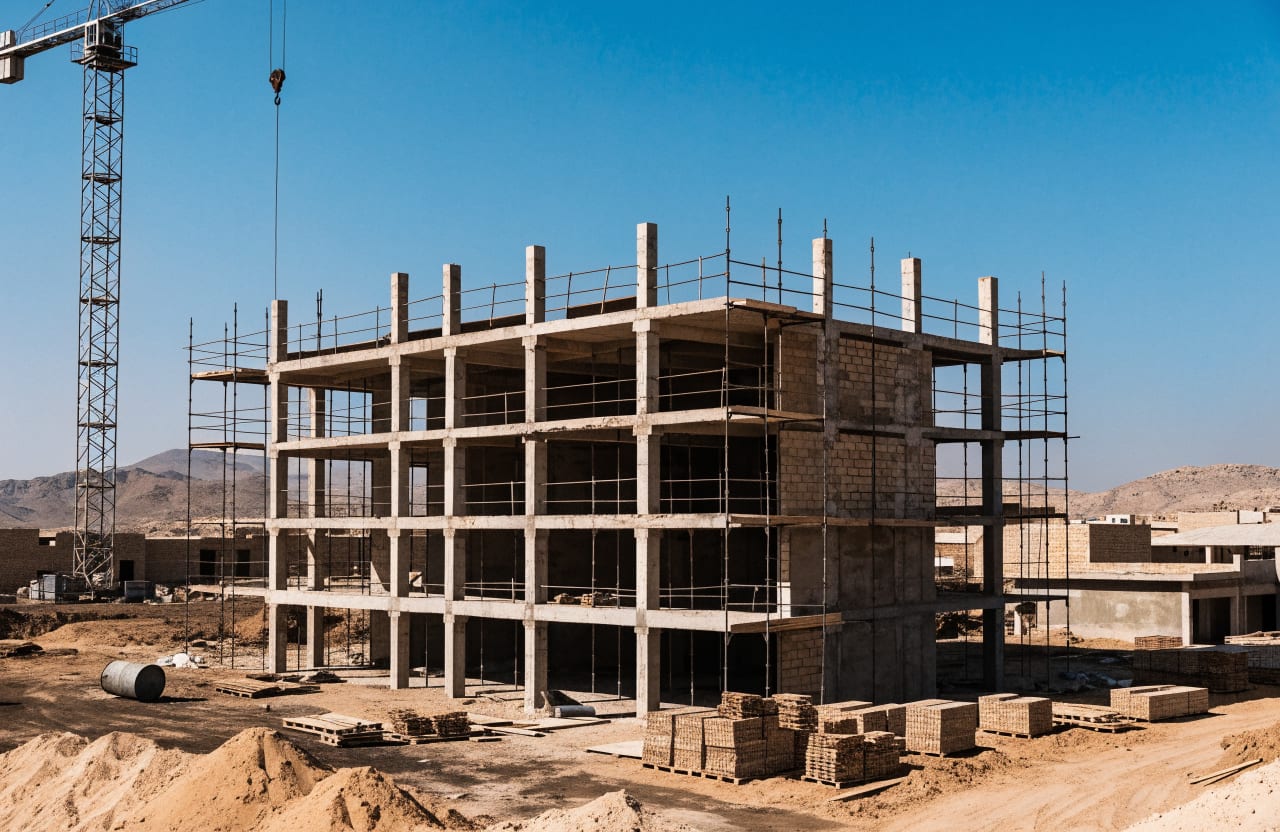
Flat handover in Sharm El Sheikh: what to check, how to record it and why not to hurry
After handover the defects are your concern and your money. What to bring, what must be checked — water, electricity, air-conditioning, windows, terrace, area, common areas — how to record defects, what to do afterwards and how to accept remotely.